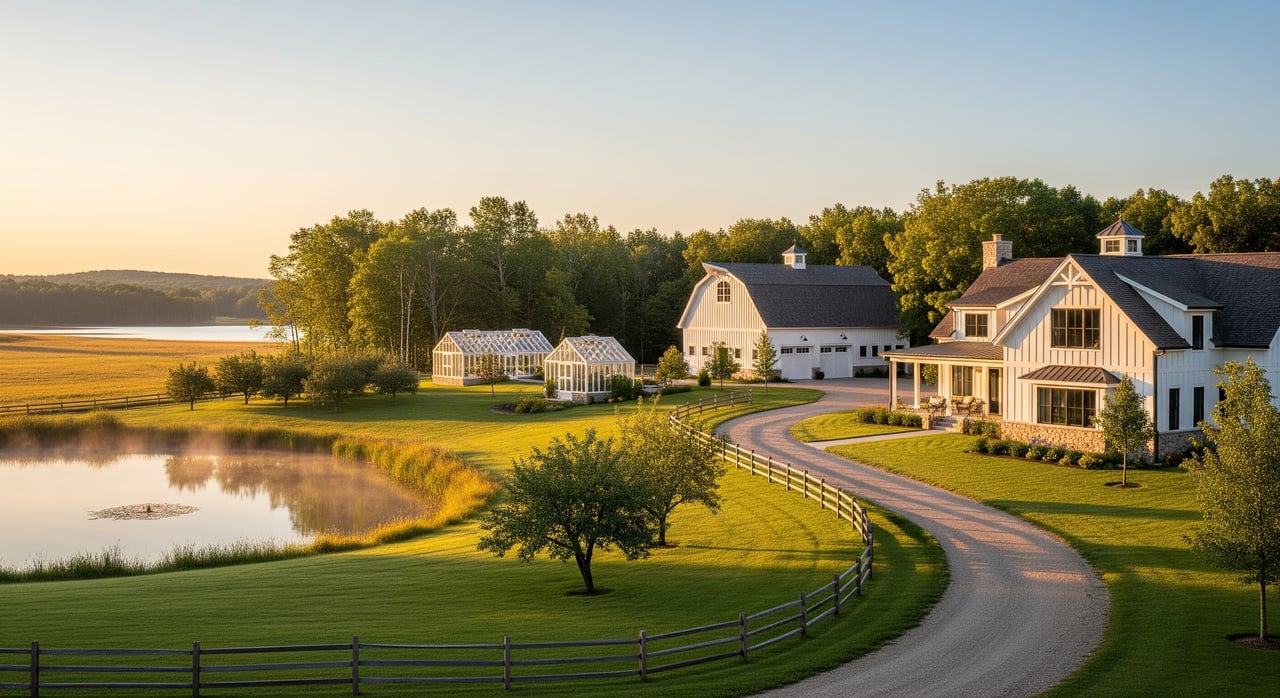
Dreaming of more space, a big garden, or a few animals close to the Twin Cities? Buying acreage or a hobby farm can be a smart move if you plan it well. You want room to live your lifestyle without surprises around wells, septic, zoning, or financing. In this guide, you’ll learn how to evaluate Wright County properties, what to verify before you write an offer, and how to line up financing and insurance the right way. Let’s dive in.
Acreage vs. hobby farm vs. working farm
Understanding your goals shapes every decision.
- Acreage: A rural residential home with extra land. You might grow a garden, add a shop, or enjoy privacy. Rules are mostly residential with rural nuances.
- Hobby farm: Small-scale agriculture, gardens, or a few animals for personal use or limited sales. Expect additional rules for barns, manure, setbacks, and animal units.
- Working farm: Commercial-scale production. Financing, insurance, taxes, and regulations are more complex.
In Wright County, your intended use, buildings, and animals affect zoning, permits, financing, and insurance. Clarify your plan so you can ask the right questions.
Wright County rules to verify first
Local land use is critical. County and township rules work together, and they can be different by location.
Zoning and allowed uses
Confirm the zoning district, then check what is allowed by right versus what requires a permit. Verify residential use, accessory buildings, small-scale agriculture, and any shoreland or lakeshore overlays if water is nearby.
Setbacks and accessory buildings
Ask about setbacks for homes, barns, sheds, and animal shelters. Some districts limit building size or total number of accessory structures. Get clarity before you design a barn or shop.
Animals and manure management
If you plan to keep animals, confirm species, number, shelter setbacks, and manure storage or disposal rules. Small barns often have different requirements than larger operations.
Subdivision and lot splits
If you hope to split land later, ask about minimum lot sizes, road frontage, and septic/well feasibility for new parcels. Shoreland or wetland areas can change the rules.
Water, wells, and septic systems
Many rural properties rely on private wells and individual sewage treatment systems.
Private wells
Request recent water tests for bacteria and nitrates, and ask about well depth and yield. If there are no current records, include water testing as a purchase contingency. If you plan an addition or more bedrooms, confirm the well’s capacity.
Septic/SSTS
Ask for a recent septic inspection report and pumping records. Verify system type, location, and capacity. If you expect to remodel or add bedrooms, make sure the system can support your plans. For raw land, you may need a soil evaluation or perc test to confirm feasibility.
Action items
- Make well water testing and a septic inspection contingencies in your offer.
- If no systems exist, confirm feasibility for both well and septic before you commit.
Soils, wetlands, and floodplain
Site conditions drive what you can build and how much it will cost.
Soil suitability
Soils affect crop choices, drainage, excavation costs, and septic design. Review soils maps and ask about depth to bedrock, clay content, and any known limitations for building or septic.
Wetlands and shorelands
Wetlands are regulated. Altering or filling them usually requires permits and sometimes mitigation. Shoreland districts around lakes and rivers have extra setbacks and rules.
Floodplain and drainage
Check if any part of the parcel is in a mapped floodplain. Building there may trigger restrictions and flood insurance. Ask about field tile or drainage ditches and who maintains them.
Access, utilities, and daily life
A beautiful setting still needs practical access and services.
Driveway and winter access
Evaluate driveway length, grade, and surface. Ask who plows, whether the road is private or township maintained, and how emergency vehicles access the property in winter.
Power, heat, and internet
Confirm the electric provider and service to outbuildings. Many rural homes use propane for heat. Check internet options, such as fiber, fixed wireless, or satellite, and confirm speeds that meet your needs.
Services and commute
Review school district boundaries, emergency services coverage, and your commute times. Rural properties can have longer response times and travel distances.
Taxes, classification, and ongoing costs
Your annual costs depend on how the property is used and maintained.
Property classification
Ask the county assessor how the property is classified and whether agricultural classifications are possible based on your actual use. Requirements vary, and documentation of production is often needed.
Operating expenses
Budget for driveway and road maintenance, snow removal, fencing, pasture care, weed control, manure management, and equipment. Even a modest hobby farm can require tools, storage, and periodic repairs.
Conservation easements and special assessments
Check for conservation easements or program contracts that limit development. Request recent tax statements and ask about special assessments.
Financing and insurance basics
Rural properties are financed and insured differently than typical suburban homes.
Financing options
- Conventional mortgage: Works for most rural residences with a home and typical outbuildings.
- Raw land loans: Often require higher down payments and shorter terms.
- USDA rural housing or FSA farm loans: May be options if you meet program criteria, especially for agricultural production or beginning farmers.
Underwriting differences
Lenders look closely at usable acreage, access, improvements, and your intended use. If the property will operate as a farm business, you may need farm-specific loan products. Expect requirements for well and septic documentation, surveys, or environmental checks.
Insurance and liability
A standard homeowner’s policy covers the home, but barns, livestock, equipment, and any farm activities may require a farmowner’s or farm liability policy. If you host lessons, events, or agritourism, ask about commercial or recreational liability coverage. Consider an umbrella policy for added protection.
Due diligence checklist for your offer
Use this list to structure contingencies and reduce risk.
- Zoning and use: Confirm district, allowed uses, animals, setbacks, and shoreland rules if applicable.
- Well and septic: Add contingencies for water testing and an SSTS inspection with pass/fail criteria.
- Soils and site constraints: Review soils, wetlands, floodplain, and any drainage tile or ditches.
- Access and utilities: Verify legal access, driveway responsibilities, power, propane, and internet availability.
- Taxes and programs: Request tax statements, classification details, special assessments, and any conservation contracts.
- Title and survey: Order a title search for easements, covenants, mineral rights, and a survey to confirm boundaries and encroachments.
- Environmental history: Ask about pesticide or fuel storage, prior livestock uses, and any known contamination.
- Leases and operations: Confirm if any crop or grazing leases survive closing and who maintains fences or drainage.
Market context in Wright County
Demand for acreage and hobby farms often tracks proximity to the Twin Cities and major highways. Parcels closer to commuter routes can carry a premium and face more development pressure. More remote properties may be more affordable but can have fewer services and longer drives. For pricing, compare recent sales of similar lot sizes with comparable outbuildings and utilities, and consider soils, wetlands, and shoreland constraints.
Practical tips from a construction-minded advisor
- Start with your use plan. List your must-haves, like animal space, a workshop, or a market garden, then test that plan against zoning and site conditions.
- Prioritize infrastructure. A sound well, compliant septic, and legal access are more valuable than a cosmetic barn.
- Budget for the first year. Set funds aside for fencing, driveway work, utility setup, and tools.
- Bring experts in early. A rural-savvy lender, inspector, surveyor, and insurance agent can save you time and money.
When you are ready to tour, lean on an advisor who understands building systems, site planning, and rural due diligence. If you want help finding the right acreage in Wright County and structuring a clean, protective offer, reach out to Curt Adams LLC. You will get clear guidance from a Twin Cities–based real estate professional with a construction and architecture background, so you can buy with confidence.
FAQs
How much land do I need for a hobby farm in Wright County?
- It depends on your goals. Market gardens can work on 1 to 5 acres, small livestock often need several acres for pasture rotation, and basic equestrian use typically starts around 3 to 10 acres. Always confirm local manure and setback rules.
Can I keep chickens, goats, or horses on my property?
- Possibly. Check county and township zoning for allowed species, number of animals, shelter setbacks, and manure storage requirements. Some uses require permits.
Will I need a perc test for septic?
- If you are adding bedrooms, building new, or replacing a system, local permitting may require soil testing or a deep hole evaluation. Existing systems should be inspected for function and capacity.
Could wetlands or shoreland limit where I build?
- Yes. Wetlands are protected and shoreland districts have extra setbacks. Altering wetlands often requires permits and sometimes mitigation. Verify locations before you design improvements.
Do I need flood insurance on acreage?
- Only if structures are within a mapped floodplain or if required by your lender. Check flood maps and local overlays to confirm.
Are there tax benefits for agricultural use?
- Some properties may qualify for agricultural classification or valuation, but eligibility depends on documented production and acreage. Ask the county assessor for current requirements.
What inspections are essential for rural properties?
- At minimum, include a home inspection, well water testing, septic inspection, boundary survey, and a title search for easements and encumbrances.