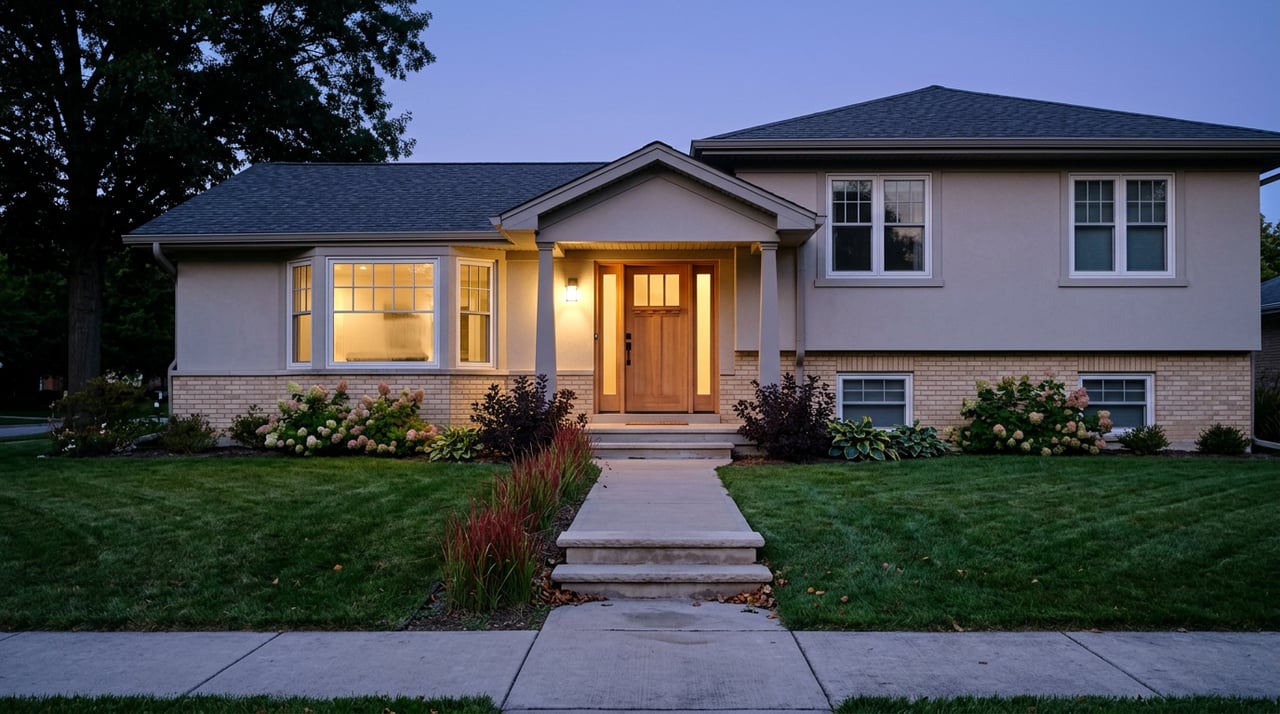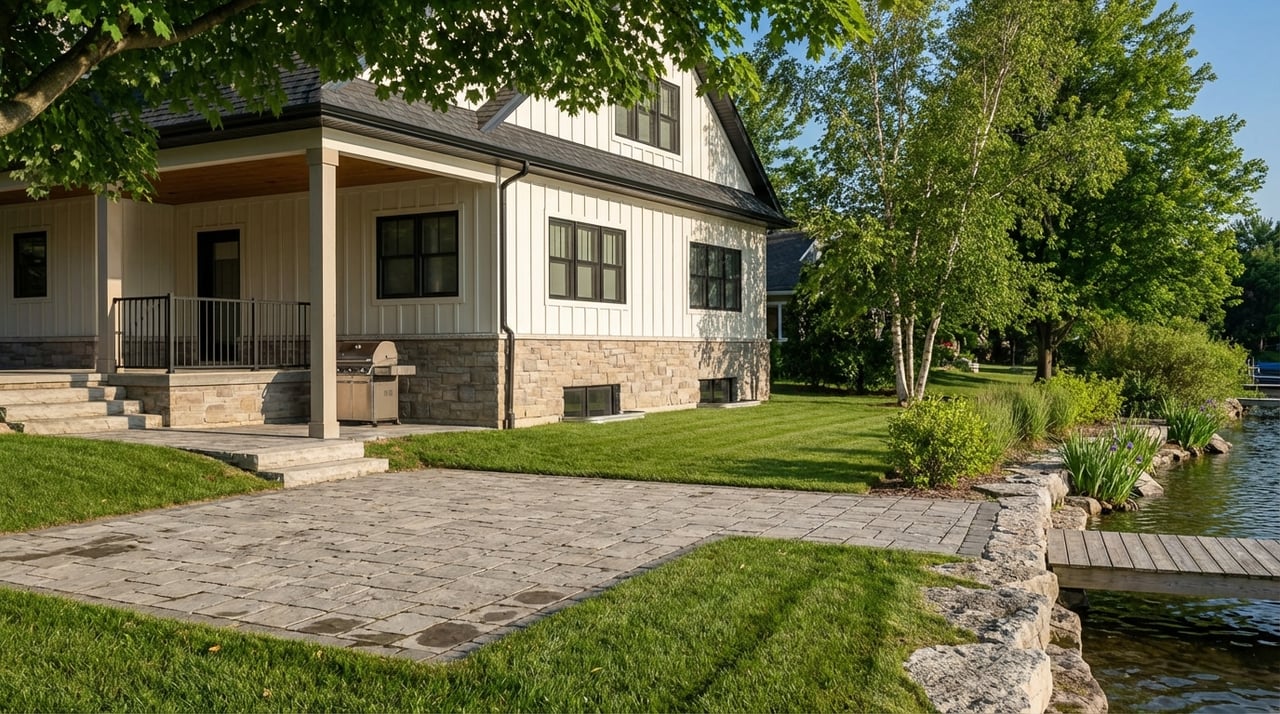
Craving river views without giving up Twin Cities convenience? If you live in or near 55115, the St. Croix River corridor in Washington County puts a four-season outdoor lifestyle within easy reach. You get scenic bluffs, historic river towns, and real options for boating and paddling, plus a practical commute to Saint Paul and Minneapolis. In this guide, you’ll learn what waterfront living really looks like here, including home types, recreation, permitting, and smart due diligence. Let’s dive in.
Why the St. Croix works for everyday life
The St. Croix in Washington County is part of the federally protected Saint Croix National Scenic Riverway. That protection keeps the experience focused on scenery, habitat, and low-impact recreation. It also shapes shoreline rules for homes and docks, which we’ll cover below. You get both beauty and predictability about how the corridor is managed.
Stillwater sits about 20 miles east of downtown Saint Paul, and Afton is a short drive downstream. Those distances make the corridor realistic for daily commuters and weekend escape seekers. From 55115 and nearby suburbs, you can be on the river, at a marina, or on a bluff trail without planning a full day around it.
Outdoor lifestyle on your doorstep
Parks, trails, and river access
Afton State Park and William O’Brien State Park anchor the area with trails, paddling entry points, and winter activities like cross-country skiing. The broader Riverway supports year-round use, so you can trade screen time for trail time in every season. For a quick overview of how the Riverway is set up, explore the Saint Croix National Scenic Riverway.
Washington County also operates St. Croix Bluffs Regional Park, which has a campground, playgrounds, picnic shelters, and a motorized boat launch with trailer parking. Season passes and hours apply, so plan ahead by checking the St. Croix Bluffs Regional Park details.
Launches, marinas, and storage
Public launches are common along the river, and conditions vary by site. Use the Minnesota DNR’s public water access finder to locate ramps, carry-in sites, and trailer parking details before you go. If a seasonal slip fits your boating plans better, local marinas near Stillwater and Afton typically offer slips, fuel, pumpouts, and winter storage. Slip availability often changes quickly and may involve waitlists. Call ahead for current options.
Boating rules and river etiquette
The Riverway has zone rules, including slow or no-wake areas and personal watercraft restrictions. Check the National Park Service guidance before heading out so you understand seasonal limits and speed zones. Start with the Riverway planning and brochure page for current information.
What homes you’ll find near the river
Historic Stillwater neighborhoods
Stillwater’s downtown and bluff neighborhoods feature many 19th- and early 20th-century homes in and around a commercial historic district. Expect character-rich architecture, hillside views, and smaller lots oriented to the bluff and river. If you’re drawn to historic details and walkable dining and shops, explore the city’s heritage preservation districts to understand local guidelines.
Townhomes and condos by marinas
You’ll find clusters of townhomes and condos close to riverfront trails and marinas, especially near Stillwater. These communities deliver river proximity with a lighter maintenance load than a large single-family property. For many, this is the best balance between lifestyle and upkeep.
Afton and rural bluff estates
Downstream, Afton and surrounding rural parcels often feature larger lots and newer custom homes. Properties may sit back from the ordinary high water level on the bluff and can include private moorage access if permitted. Utilities here are frequently private septic and well when outside municipal service areas.
Smart due diligence for river buyers
Shoreland and Riverway rules
Shoreland zoning standards in Minnesota guide setbacks, lot sizes, and impervious surface limits near lakes and rivers. The Lower St. Croix Riverway has model standards commonly used by local governments, such as building setbacks of about 200 feet in rural areas and about 100 feet in urban areas from the ordinary high water level. A typical maximum of 20 percent impervious surface also applies in many districts. Review the Landowner’s Guide to the Lower St. Croix Riverway and the state’s shoreland rules in Chapter 6120, then confirm parcel-specific rules with your city or county zoning office.
Docks, tree clearing, and shoreline work
Dock installation, tree removal within the shore impact zone, grading, and shoreline stabilization can trigger permits from local government and sometimes state or federal review. The Landowner’s Guide is your first stop for what requires a permit and how to proceed. Start early so your plans align with allowable solutions and timelines.
Flood risk and insurance
Some river-adjacent parcels lie in Special Flood Hazard Areas. Lenders typically require flood insurance if the structure is in those zones. Search your address in the FEMA Flood Map Service Center and talk with an insurance professional about premiums under Risk Rating 2.0. Costs now depend on specifics like elevation, foundation type, and distance to water.
Septic, wells, and utilities
Many bluff and rural homes rely on private septic and wells. Inspections are essential, and system design must meet shoreland standards. Review applicable rules in Minnesota Chapter 6120 and verify local health department requirements for septic compliance and well testing as part of your offer.
Erosion and bluff stability
Bluff erosion and failing shoreline protection are meaningful maintenance and value concerns. Ask for records of any prior stabilization work and permits, and have a qualified inspector evaluate retaining systems, drainage, and bluff condition. The Riverway guide offers context on best practices and permit pathways.
Aquatic invasive species and boat care
Zebra mussels and Eurasian watermilfoil are known in the corridor. Follow Clean-Drain-Dry protocols and use the DNR’s access pages for site-specific notices. Responsible boating helps protect the river you came to enjoy.
Seasonal realities to plan for
Summer brings boating, paddling, and fishing. Fall means spectacular foliage and quieter docks. Winter offers cross-country skiing and snowshoeing, while ice conditions on a moving river can vary significantly by stretch and current. Spring can bring high water and debris that affect launches and docks, so factor seasonality into your maintenance plan.
Choose your waterfront lifestyle
- Boat-forward: A bluff or river parcel with approved private moorage or a slip at a nearby marina. You’ll trade more maintenance for daily on-water access.
- Low-maintenance: A townhouse or condo steps from the river or marinas near Stillwater. You keep the views and trails with lighter upkeep.
- Space and privacy: Afton or rural bluff homes with larger lots and custom builds. Ideal if you want elbow room and are comfortable managing septic, wells, and longer driveways.
Step-by-step: Shopping riverfront near 55115
Define your use case. Daily boating, quiet views, or trail access will steer you to different home types and locations.
Screen zoning early. Use the Landowner’s Guide and MN Rules 6120 to understand setbacks and impervious limits, then confirm with the local zoning office.
Check flood mapping. Look up addresses in the FEMA Flood Map Service Center and ask your lender how flood zones could affect financing and insurance.
Verify utilities. If a property is on septic and well, budget for inspections, possible upgrades, and water-quality testing.
Inspect shoreline and bluffs. Evaluate riprap, seawalls, drainage, and slope stability with experienced inspectors. Ask for permits and maintenance records.
Plan boat logistics. Use the DNR public access finder to assess nearby launches. If you prefer a slip, contact local marinas early about availability and storage.
Model total cost. Include potential flood insurance, shoreline work, septic updates, and seasonal maintenance in your affordability analysis.
Walk the property in multiple seasons if possible. High water, snow, and leaf-off views can change your understanding of access, privacy, and drainage.
Market context to keep in mind
Public market snapshots in late 2024 and early 2025 showed Stillwater medians in the mid-to-upper hundreds of thousands, and Afton often higher, reaching into the $900,000 range. Waterfront or bluff parcels generally command a premium over broader town medians. These figures move month to month and vary by product type and condition. Your best source for live pricing is current MLS data paired with a local advisor who understands the nuances of shoreland rules and property condition.
Work with a technical advisor who knows the river
River homes are special. They also ask more from your due diligence. With a background in architecture and decades of construction experience, I help you evaluate bluff stability, shoreline structures, septic systems, and realistic renovation scope while we negotiate the right price and terms. If you’re exploring St. Croix living from 55115 or anywhere in the Twin Cities, let’s talk about the fit, the rules, and the path to a confident purchase. Ready to start? Reach out to Curt Adams LLC for a focused consult on your St. Croix search.
FAQs
What is the Saint Croix National Scenic Riverway and how does it affect homeownership in Washington County?
- It is a federally protected corridor that preserves scenic and ecological values, and it guides local shoreline rules for setbacks, docks, and land disturbance as outlined by the National Park Service.
Where can you find public boat launches near Stillwater and Afton on the St. Croix?
- Use the Minnesota DNR’s public water access finder to see ramps, carry-in sites, parking details, and any notices about site conditions.
Do you need flood insurance for a St. Croix waterfront home in Washington County?
- If the structure lies in a Special Flood Hazard Area, lenders typically require insurance; check the FEMA Flood Map Service Center to confirm a parcel’s zone and discuss premiums with your insurer.
Can you build a dock or clear trees for a view on a St. Croix property?
- Many shoreline projects require permits and must follow Riverway and local rules; start with the Landowner’s Guide and call your city or county planner for parcel-specific guidance.
What home types are common along the St. Croix in Washington County?
- You’ll see historic homes in Stillwater’s bluff neighborhoods, townhomes and condos near marinas, and larger custom estates in Afton and rural bluff areas, with many outside municipal utilities using private septic and wells.
What boating rules should you know before taking a PWC or powerboat on the St. Croix?
- The Riverway includes slow or no-wake zones and personal watercraft restrictions that change by segment and season; review the Riverway brochure and rules before you launch.