Imagine waking up to calm water, a dock just steps from your back door, and weekend plans that write themselves. If you are drawn to lake life but still want suburban convenience, living near Prior Lake in Scott County offers a compelling blend of recreation, community, and access to Twin Cities jobs. You likely have questions about commuting, housing types, shoreline rules, and daily life. This guide gives you a clear, practical look at what to expect so you can decide with confidence. Let’s dive in.
Why Prior Lake appeals
Prior Lake sits in the northern part of Scott County within the Twin Cities’ southern suburban ring. The connected Upper and Lower Prior Lake system shapes much of the area’s identity and day-to-day rhythm. You get small-town feel with easy access to regional entertainment and job centers. Many residents choose the area for its water access, seasonal activities, and strong sense of community.
Key takeaway: The lake drives lifestyle and value, and it also brings specific responsibilities for buyers to understand.
Lake recreation and seasons
Warm months are about being on or near the water. You will see powerboats, pontoons, kayaks, paddleboards, and anglers out early and late. Public beaches and boat launches make access simple whether you live on the shore or nearby. Fishing for bass and panfish is popular, and lakefront social life picks up on weekends.
Winter brings a different kind of fun. Ice fishing and cold-weather recreation are common for those prepared for the elements. Lake use is highly seasonal, so your weekly routine will shift with the weather. Peak traffic on and around the water typically runs from late spring through early fall.
Parks, trails, and green space
You will find neighborhood parks, playgrounds, and walking or biking trails throughout the area. Regional parks and county open spaces nearby add longer routes and larger natural areas. Some projects from local agencies improve shoreline access and trail connections as part of broader water-quality planning. If you value time outside off the water, you will have plenty of options.
Dining, entertainment, and events
Downtown Prior Lake and nearby commercial corridors offer restaurants, cafes, and small businesses that cover most daily needs. Larger retail and additional dining are close in neighboring Scott County communities. Mystic Lake Casino Hotel is a major regional destination for dining and events and is also a significant employer. In Shakopee, Canterbury Park adds horse racing and community events to the mix.
Community life follows the seasons. Expect lake festivals, farmers markets, and city programming in summer, then holiday events in winter. Waterfront neighborhoods often plan social activities around the warmer months.
Getting around and commuting
This is primarily a driving suburb. County and state routes connect you to major freeways that reach Minneapolis, Bloomington, Eden Prairie, and other job centers. Commute times vary with destination and rush-hour traffic, so it helps to test your route during peak hours before you buy. Park-and-ride options, carpooling, and some commuter services exist, but public transit is less frequent and less direct than in core metro neighborhoods.
Seasonal traffic is real. Summer lake activity and large events can increase local congestion. If you work traditional hours or need regular airport access, weigh proximity to main arterials against potential noise and traffic.
Housing styles and what to expect
Housing near Prior Lake ranges from classic lake cottages to new-build homes in planned communities. You will also find townhomes and condos for lower-maintenance living and rural acreages on the edges of the city and across Scott County. Pricing reflects water access, lot size, age, finishes, and neighborhood amenities.
Waterfront homes
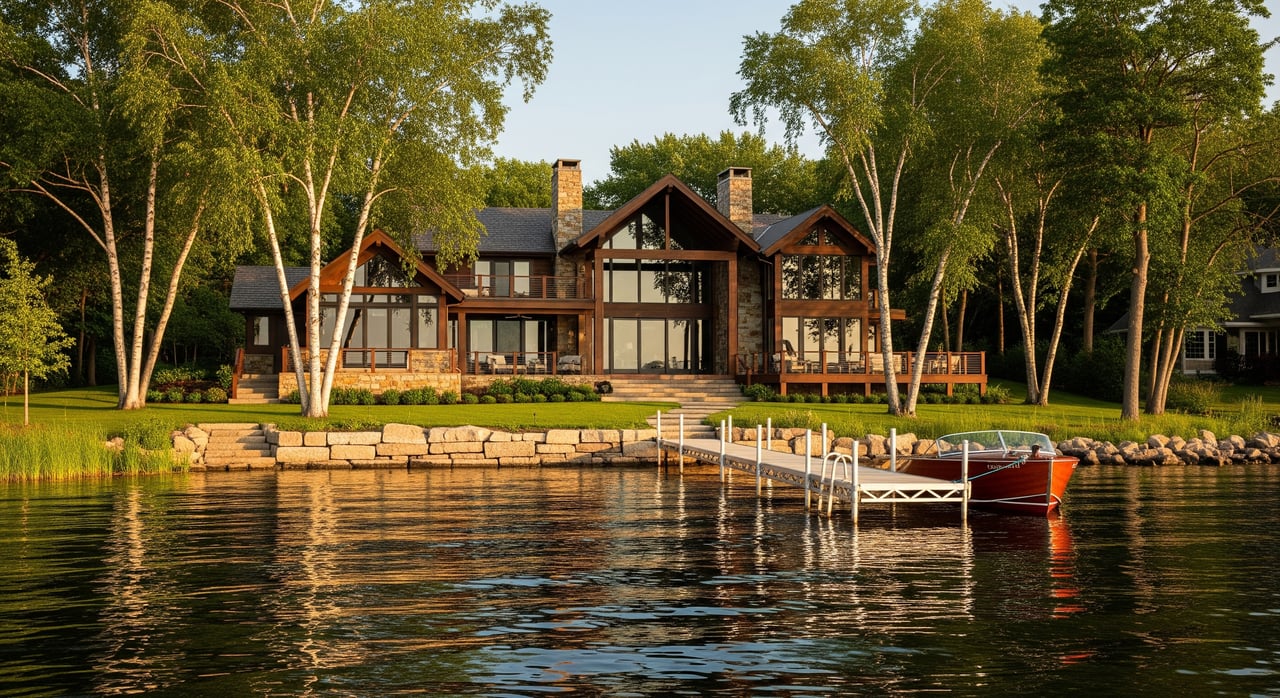
Lakefront properties command a premium because of direct water access, views, and the potential for private docks. Many older cottages have been renovated or replaced with larger, modern lake homes. If you are considering waterfront, plan for shoreline rules, dock permitting, and ongoing maintenance tied to water and weather. Budget for seasonal needs like dock installation and removal, along with snow and ice management.
Suburban neighborhoods
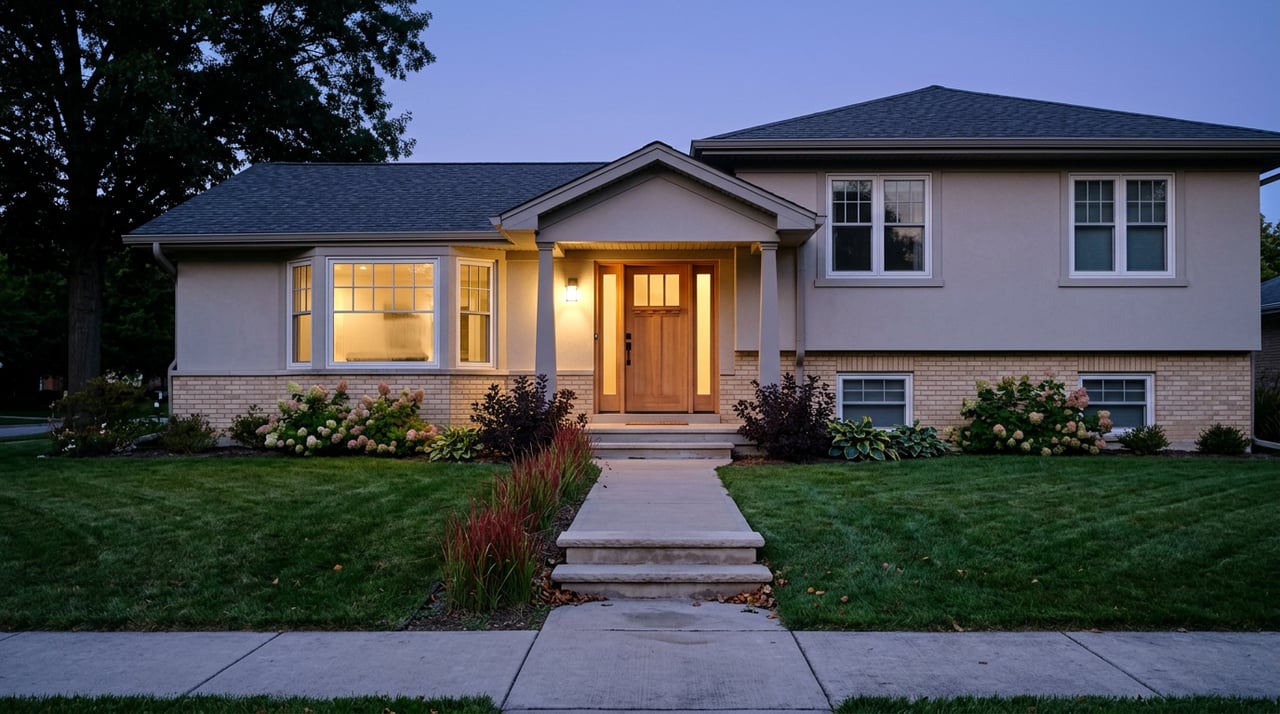
Away from the shore, you will see subdivisions from the 1970s onward, plus newer planned communities and infill development. Homes often feature yard space, sidewalks, and layouts that work well for daily living. Value depends on age, finish level, lot size, and access to parks, schools, and commuting routes.
Townhomes and condos
These options suit first-time buyers, downsizers, or anyone aiming for lower maintenance. Many are near commercial nodes or part of newer developments. Associations may cover exterior care and shared amenities, which can simplify day-to-day life if you travel or prefer less upkeep.
Acreages in Scott County
If you want more privacy or space for hobbies, look at rural lots on the community’s edges and across the county. Utility setup can vary. Confirm whether a property uses public water and sewer or private well and septic, and factor in maintenance and replacement planning.
What to know before you buy
Purchasing near a lake comes with benefits and responsibilities. Prepare for both to avoid surprises and protect your investment.
Shoreline and water rules
Shoreline setbacks, dock permitting, and vegetation management are regulated by city, county, and watershed agencies. The local watershed district oversees water-quality efforts, shoreline projects, and aquatic invasive species monitoring. Before you alter a shoreline, add a dock, or change vegetation, confirm what permits apply and who reviews them.
Costs of lakeshore ownership
Total cost goes beyond mortgage and taxes. Factor in dock systems, storage, installation and removal, and potential erosion or stabilization work. Insurance can be higher for waterfront properties. Some locations may include stormwater or shoreline assessments, and special rules may affect future improvements.
Associations and covenants
Many newer developments and some waterfront areas have homeowners associations that set rules for docks, shared shoreline, architecture, fencing, or common amenities. Review association documents early. Understand fees, reserve funding, and any pending projects that could affect your costs.
Utilities and property taxes
Property taxes reflect city, county, school district, and sometimes special districts. Utility access varies by parcel. Verify whether the home is on public sewer and water or private well and septic, and check system age and service records. If a septic is present, include a compliance review as part of your due diligence.
Schools and services
The area includes public school options within the local district and additional private choices nearby. Families often consider program offerings and commute logistics when selecting a neighborhood. Healthcare is served by local clinics and urgent care centers, with hospitals available in nearby communities. Police and fire protection are provided locally, with county services as needed.
How to shop smart in this market
Use a simple framework to stay focused and reduce risk:
- Define the lifestyle must-haves. Decide if you need direct water access, a community launch nearby, or a quieter street away from peak lake activity.
- Test your commute. Drive to your key destinations during rush hour. Note seasonal event routes and summer traffic near entertainment venues.
- Verify rules and permits early. Ask about shoreline setbacks, dock rights, association covenants, and any watershed-related requirements.
- Inspect for lake-related risks. Look for signs of moisture intrusion, foundation movement, shoreline erosion, and stormwater management. Confirm roof, siding, and window condition in the context of wind and lake exposure.
- Budget for the full cost of ownership. Include dock and lift systems, snow and ice needs, erosion control, insurance, assessments, and potential HOA fees.
- Confirm utilities and systems. Identify sewer or septic, water source, and any recent testing or compliance records.
- Understand neighborhood rhythm. Walk the area at different times. Consider how summer activity, winter ice use, and event traffic fit your preferences.
Ready to explore Prior Lake?
Living near Prior Lake gives you four-season recreation with suburban convenience. If you want a clear plan for finding the right home and managing lake-specific details like shoreline rules, dock permitting, and seasonal maintenance, you will benefit from expert guidance that blends construction know-how with local market insight. For a tailored strategy and risk-aware negotiation, connect with Curt Adams LLC.
FAQs
What is day-to-day life like near Prior Lake?
- Expect a quiet-to-active rhythm that follows the seasons, with busy lake use in warmer months, community events, and easy access to parks, trails, and nearby entertainment.
How does commuting from Scott County to Twin Cities job centers work?
- Most residents drive using county and state routes that feed major freeways; commute times vary with destination and rush hour, and some use park-and-ride or carpools.
What should I know about shoreline rules and docks?
- Shoreline setbacks, dock permitting, and vegetation management are regulated by city, county, and the local watershed district; confirm permits before any changes.
Are there aquatic invasive species concerns on Prior Lake?
- Yes. The lake is monitored for species such as zebra mussels, and local programs promote boat inspection and cleaning to protect water quality.
How much extra does lakeshore ownership cost?
- Plan for dock and lift systems, seasonal installation and removal, potential erosion control, insurance considerations, and any assessments or association fees.
What housing options are common near Prior Lake?
- You will find lakefront homes, suburban single-family houses, townhomes and condos, and rural acreages, with pricing driven by water access, lot size, age, and finishes.
What school options are available near Prior Lake?
- Public schools within the local district and private options are available; review program offerings, calendars, and commute logistics when comparing neighborhoods.
What should I check during inspections for a lake-area home?
- Focus on moisture management, foundation and shoreline stability, stormwater drainage, exterior materials, roofing, and any septic or well system records.