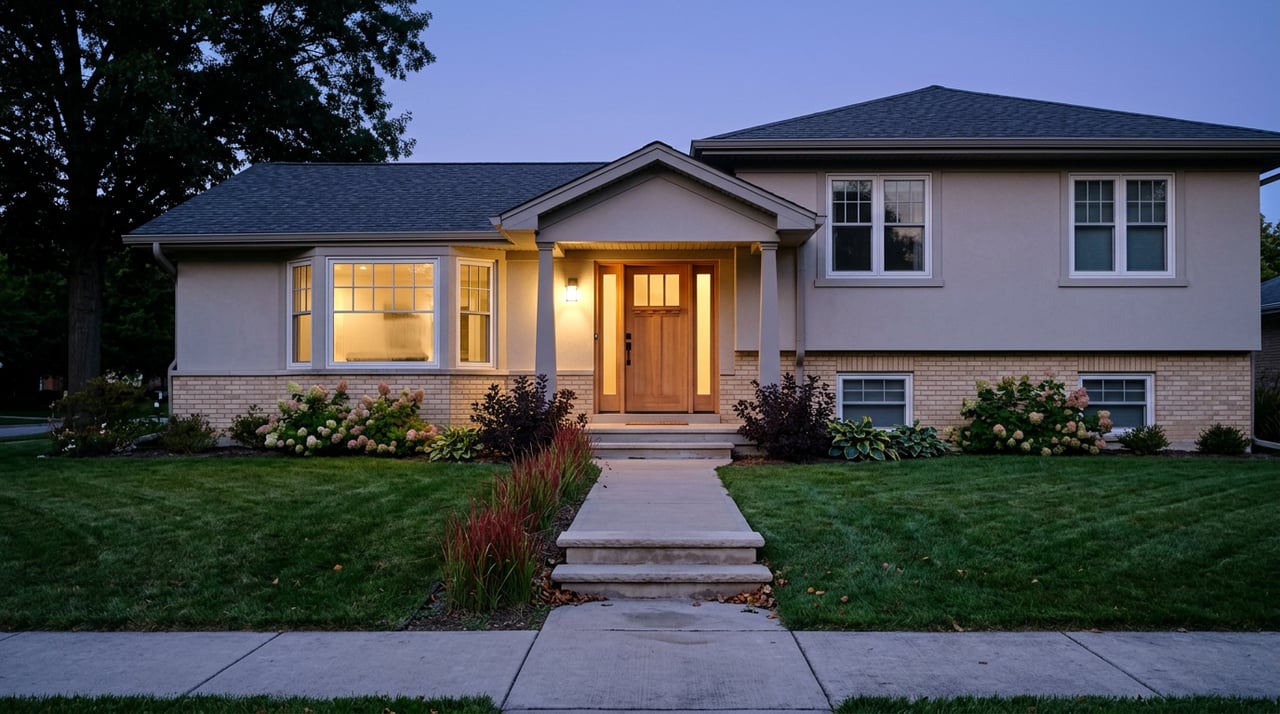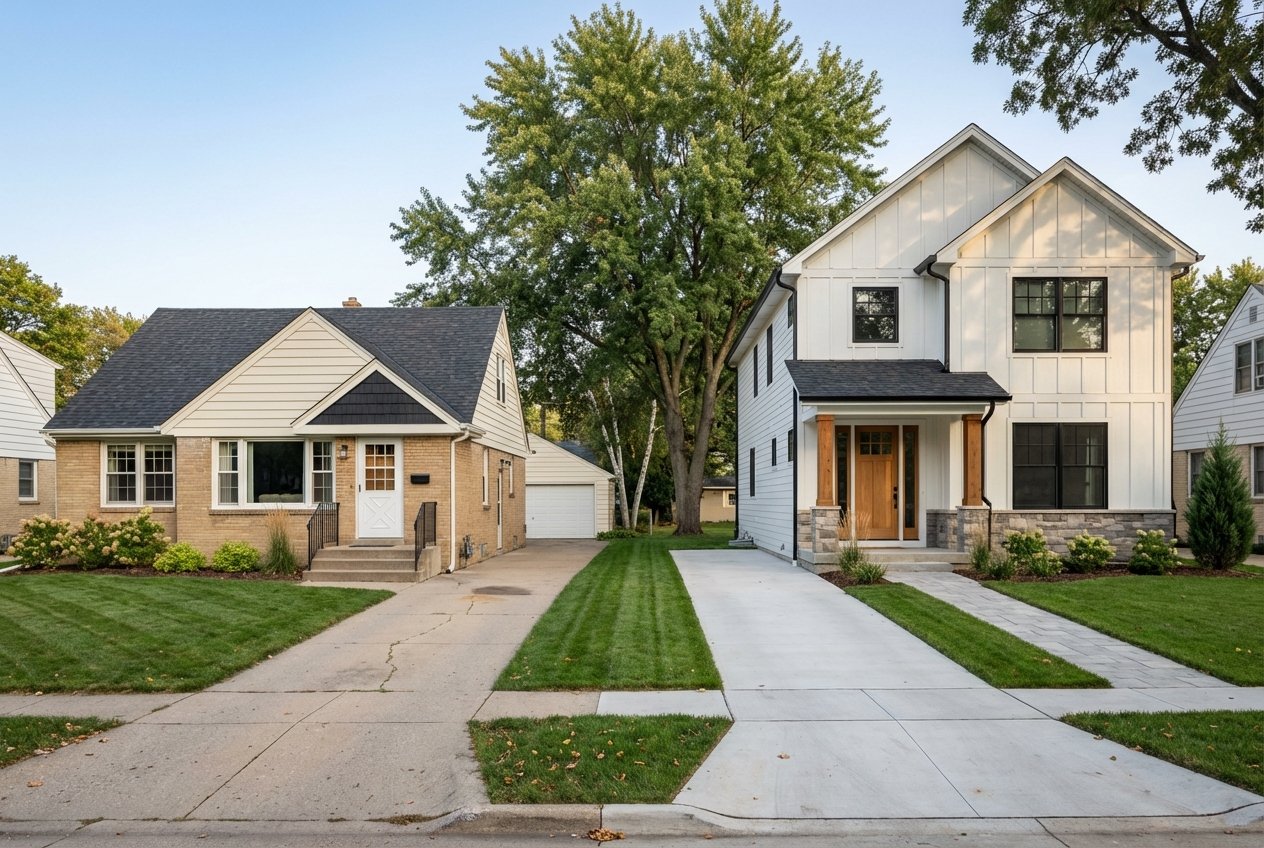
Thinking about staying in Carver but not sure whether to renovate or build new? It is a big decision that affects your budget, timing, and daily life. You want the right layout, updated systems, and smart resale potential without surprises. In this guide, you will compare real numbers, timelines, financing options, and local considerations so you can move forward with clarity. Let’s dive in.
Carver County market at a glance
Prices in Carver County sit above the Twin Cities metro median. Recent snapshots show a county median sale price around $455,000 as of January 2026, with modest year-over-year movement. You can view the latest county median on the Redfin market page for current context (Redfin county snapshot).
City-by-city numbers vary. The city of Carver often trends higher, with a recent snapshot near $495,000, partly due to a smaller sample size and more unique or historic homes (Redfin Carver city snapshot). Waconia and Victoria also skew higher in some segments because of lakes and larger-lot communities. Across the metro, the overall median crossed roughly $400,000 in 2025, and new construction typically lists above resale in most submarkets (Minnesota Realtors metro report).
What this means for you: if you want space and a modern layout, you may pay a premium for newer subdivisions, while older homes can offer value if you plan smart updates.
What home choices look like locally
Carver’s historic core
In downtown and older parts of Carver, many homes date to the late 19th and early 20th centuries. Expect smaller lots, compartmentalized floor plans, and period details. Renovation plans often focus on mechanical upgrades, moisture control, and period-sensitive interior finishes to keep character intact.
Chaska, Waconia, and Victoria subdivisions
These cities mix pre-1980 neighborhoods with many homes built from the 1990s through the 2010s, plus active new-home communities today. Typical layouts include 3 to 5 bedrooms, two-story plans, attached garages, and finished or finish-ready basements. If you want modern systems and open-concept living, these areas usually provide more move-in options.
Renovate vs build: how to choose
Both paths can work well in Carver County. The right fit depends on your timeline, budget, and how specific your wish list is.
When renovating makes sense
- You like your location and lot, and the home needs targeted updates.
- You want a quicker move-in window and can live through a short project.
- Your scope fits high-ROI projects that improve resale and daily use.
- You prefer a lower total budget than a ground-up build.
When building new makes sense
- You want a specific floor plan, energy performance, and finishes.
- You value warranties and low maintenance in the first years.
- You can wait several months or more for completion.
- You are comfortable with lot premiums and upgrade budgets in active subdivisions.
Cost, ROI, and timing benchmarks
National and regional Cost vs. Value data provide helpful guideposts for which projects tend to recoup more of their cost at resale. Use these as baselines, then validate with local contractor bids and your agent’s pricing analysis. See the latest tables here (Cost vs. Value).
High-impact projects commonly prioritized in Carver County:
- Garage door replacement: outstanding curb appeal impact with an average recoup near 268% in the 2025 tables.
- Entry steel door: often over 200% recoup.
- Minor midrange kitchen remodel: typical job cost around $28,458 with an estimated recoup above 100%.
- Fiber-cement siding: strong exterior refresh with recoup around 114%.
- Midrange bath remodel: often around 80% recoup.
- Basement finishing: valuable living space; common recoup in the 60 to 75% range depending on scope.
- Roofing: necessary maintenance with recoup typically in the high 60% range.
Typical timelines:
- Small exterior swaps: a few days to 2 weeks.
- Minor kitchen refresh: 4 to 8 weeks.
- Full kitchen or large bath: 8 to 12+ weeks, sometimes 3 to 6 months with structural changes.
- Basement finishing: 4 to 8+ weeks, longer with egress or major plumbing moves.
- New construction: many production builds fall in the 6 to 12 month window once underway. National tracking shows single-family permit-to-completion averaging about 10 months, and total project calendars can be longer with design, lot, and utility steps (NAHB/Eye on Housing build-time trends).
Minnesota-specific issues to budget
Carver County sits in a climate where basements, drainage, and air sealing matter. A few items can shape scope and cost:
- Radon: Minnesota has higher radon prevalence than the national average. If no prior test exists, add testing to your inspection and budget for mitigation when needed. See the state’s radon map and guidance for context (Minnesota radon map).
- Basements and drainage: Freeze-thaw cycles, clay soils, and high groundwater areas mean sump systems, grading, and moisture control come first before finishing space. Shoreland or high-water-table properties can carry added steps.
- Permits and erosion controls: Requirements differ by city vs. township. Confirm triggers for septic, shoreland, and erosion control early to avoid delays (Carver County permitting note).
Where new homes are trending
Active development continues in several Carver County cities. Chaska’s municipal page lists ongoing and proposed subdivisions, showing steady lot and builder activity across single-family and attached product. Reviewing this list helps you target neighborhoods where production or semi-custom homes are available (Chaska Proposed Developments). Waconia and Victoria also maintain development hubs and builder neighborhoods, with new homes commonly priced above resale due to lot premiums and new-product features.
Financing your plan
You have flexible loan paths for both renovation and new builds. Each one carries rules and timelines that affect your calendar.
Renovation: conventional options
Fannie Mae’s HomeStyle Renovation can combine a purchase and renovation budget into a single conventional mortgage. Lenders manage draws and require completion within program timeframes. This is useful for larger kitchen, bath, or systems scopes where you want one loan structure (Fannie Mae HomeStyle guide).
Renovation: government-backed
FHA’s 203(k) program offers Standard and Limited versions to finance purchase plus rehab under one FHA-insured mortgage. The Standard option involves a HUD consultant for bigger projects, while the Limited version fits smaller scopes. Your lender will walk you through requirements and timelines (HUD 203(k) overview).
New construction: single-close loans
Construction-to-permanent loans finance the build with interest-only draws, then convert to a permanent mortgage at completion. Ask lenders about rate locks, contingency budgets, and draw schedules, and compare single-close to two-close options to find the best fit (Construction-to-perm overview).
Quick decision checklist
Use this list to organize your next steps. Save it, print it, and bring it to showings or builder meetings.
- Get current stats for your target city: median price, Days on Market, and the split between new and resale inventory. Refresh monthly using trusted sources.
- If buying a resale that needs work, request a contractor ballpark and an itemized scope for roof, mechanicals, windows, siding, and basement. Compare each item to Cost vs. Value recoup expectations.
- Plan for Minnesota factors first: radon testing and mitigation, drainage and sump strategy, and air sealing/insulation.
- For a new build, ask the builder for an itemized list of standard features, upgrades, lot premiums, warranty details, and a realistic calendar from permit through completion. Clarify how change orders are priced.
- Confirm your permitting authority early. City or township rules can add time and cost for shoreland, septic, or erosion controls. Build that into your budget.
- Compare financing paths side by side. Model your monthly payment for a renovate-in-place plan versus a new build after lot and upgrades.
How to think about resale
If you expect to sell within two to five years, favor projects that reduce buyer friction and photograph well. Examples include a new garage door, refreshed entry, minor kitchen updates, and addressing obvious maintenance items like roof and mechanicals. These tend to shorten market time and protect price.
If you plan to stay long term, comfort and efficiency may take priority. That can mean deeper kitchen and bath work, insulation upgrades, and systems modernization. The cost-recapture may be lower on paper, but your quality of life and lower utility costs can justify the spend.
Putting it all together
Renovating in Carver can be the faster, lower-risk path if you love your lot and only need focused updates. Building new in Chaska, Waconia, or Victoria can deliver the exact layout and performance you want, but it usually costs more and takes longer. The best choice is the one that aligns with your timing, cash flow, and long-term plans.
If you want a clear, numbers-forward plan, connect with a local advisor who speaks both construction and market strategy. With architectural training and decades of build and brokerage experience, we can help you scope costs, avoid condition risks, and target the neighborhoods and builders that fit your goals. When you are ready, reach out to Curt Adams LLC for a focused consultation.
FAQs
What should I weigh first when choosing to renovate or build in Carver?
- Start with timing, budget, and layout needs. Renovation can be faster with targeted scopes, while new construction offers custom layouts but requires a longer calendar and higher upfront costs.
How long does new construction usually take in Carver County?
- Production homes often take 6 to 12 months once construction begins. National data show permit-to-completion averages near 10 months, and total project timelines can extend with design, lot, and utility steps.
Which renovations tend to deliver the best resale ROI locally?
- According to Cost vs. Value benchmarks, garage doors, entry doors, minor kitchen refreshes, and fiber-cement siding replacements often recoup the highest percentages, while larger custom kitchens and basements vary more by scope.
What Minnesota-specific costs should I plan for when finishing a basement?
- Budget for radon testing and mitigation if needed, moisture and drainage management, egress requirements, and potential shoreland or high-water-table considerations that can affect permits and schedule.
What loan options can cover purchase plus renovation in Minnesota?
- Fannie Mae’s HomeStyle Renovation and FHA’s 203(k) allow you to combine purchase and rehab into one mortgage. For new builds, ask lenders about construction-to-permanent single-close loans.