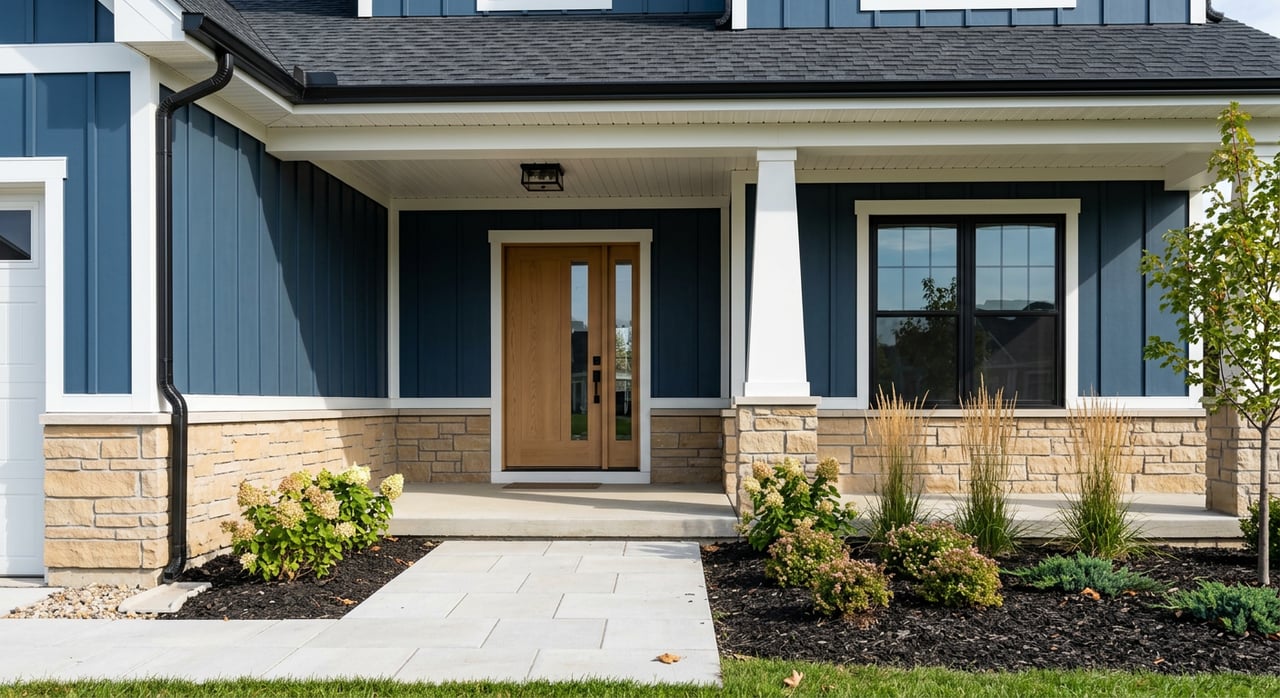
New neighborhoods in Dakota County can look identical from the model-home door, yet the long-term experience and costs can differ a lot. If you want clarity beyond the shiny finishes, you need to compare lots, builders, energy performance, and HOA details with a construction lens. This guide gives you a practical checklist for Lakeville, Rosemount, and Eagan so you can buy with confidence. Let’s dive in.
Market snapshot: why timing matters
Dakota County’s south-metro suburbs continue to see steady new-home activity, which means developments often roll out in phases. Early phases can come with stronger builder incentives, while later phases may see finished streets and landscaping. To understand what’s coming around your target neighborhood, review the county’s capital improvement planning for upcoming roads, trails, and utility work in the area. You can scan the Dakota County Capital Improvement Program for schedules that may affect access, noise, and timing.
City permit portals also help you gauge inspection timing and the status of public improvements near a subdivision. For example, Lakeville’s permit page outlines required inspections and acceptance milestones that apply locally. Use this as a reference point when you ask a builder about streets, sidewalks, and inspection timelines in any Dakota County city. Check the Lakeville permits and inspections page while you compare timelines.
Pick the right lot first
Orientation and solar access
In Minnesota, a lot’s sun exposure affects comfort and operating costs. Favor roof faces that are within about 30 degrees of true south, and look for minimal shading from nearby homes or trees between 9 a.m. and 3 p.m. If you are considering rooftop solar, ask for a quick solar assessment or use a basic guide to understand how roof pitch and orientation affect output, like this roof pitch and solar primer. Good solar access also supports passive winter gains with proper overhangs.
Grade, drainage, and soils
Ask for the lot grading plan, finished floor elevation, and the builder’s foundation details. Sump pumps, perimeter drain tile, and careful lot grading are common here and should be documented. If you see signs of wet soils, a high water table, or unusual fill, request the geotechnical report or make one a contingency. Getting these items up front helps you avoid surprises after heavy rains.
Wetlands and flood risk
Check FEMA’s flood maps and the city or county GIS early in your search. If a lot sits in or near a mapped floodplain or regulated wetland, you may face extra build limits, elevation requirements, or insurance costs. Start with the FEMA Map Service Center to verify flood status for any parcel you are considering.
Streets, sidewalks, and trees
Confirm which public improvements are complete and which are still pending. Curbing, sidewalks, boulevard trees, and street lights can be installed in later phases, which may mean temporary access, dust, and construction noise. Ask the builder for inspection and acceptance notes for the streets serving your lot. City permit portals, like Lakeville’s inspections resource, are a good reference when you frame these questions.
Utilities and energy service
Your utility provider affects rates, off-peak programs, and rebates. Parts of southern Dakota County are served by Dakota Electric Association; other areas may be served by investor-owned utilities. Ask the builder to confirm providers by lot and to list available new-home rebates. You can view the Dakota Electric service area map and review Xcel Energy’s current rebate structure in its 2024–2026 Minnesota plan to understand potential savings.
Vet the builder and the plan
Verify licensing and quality signals
Confirm that the builder and qualifying individual are properly registered or licensed in Minnesota. This is a legal requirement and a basic risk check. Minnesota’s rules on contractor registration and licensing are established in statute; knowing this baseline helps you ask better questions about compliance and enforcement history. Review the statute for context on contractor registration at Minnesota Statutes 326B.
Independent energy testing and third-party programs are also strong signals. Ask whether the builder participates in HERS testing, ENERGY STAR verification, or Minnesota’s Green Path program. You can explore examples of local energy verification through Housing First Minnesota’s MN Green Path resources.
Understand warranties before you sign
Minnesota law provides a statutory new-home warranty baseline: 1 year for workmanship and materials, 2 years for plumbing, electrical, and HVAC systems, and 10 years for major structural defects. Builders often layer their own 1-2-10 style warranty on top or use a third-party administrator. Ask who administers claims, response times, and what happens if the builder is no longer in business. For the legal baseline, see Minnesota Statutes Chapter 327A.
Inspections and third-party testing
City inspections are important, but they do not replace your own quality checks. Request the right to conduct a pre-drywall inspection and a final inspection with an independent inspector. For energy and comfort, ask for a HERS score, blower-door result (ACH50), and duct leakage test. If the builder is already in a program like Green Path, these tests are often included and documented.
Floor plans and resale fit
Choose a plan that matches how you live and what local buyers expect in your price band. In the south metro, practical features like a usable mudroom off the garage, enough bedrooms and baths for the area, and storage that fits daily life tend to support resale value. Compare against recent comps in the same subdivision or immediate area to confirm that your selections align with neighborhood expectations.
Energy, code direction, and costs
Minnesota is actively updating its energy code over time, which raises the minimum performance of new homes. A newer code version usually translates to lower operating costs and may open the door to more rebates or certifications. For an overview of Minnesota’s energy code status, check the U.S. Department of Energy’s summary for Minnesota energy codes. When you can, prefer homes that document performance through HERS, ENERGY STAR, or MN Green Path. Programs highlighted by Housing First Minnesota’s Green Path make it easier to compare apples to apples and verify that you are getting the efficiency you were promised.
HOA and association health
Most planned communities in Minnesota are governed by the Minnesota Common Interest Ownership Act (MCIOA). You should request and review the declaration or CC&Rs, bylaws, rules, the current operating budget, the most recent reserve study, 6 to 12 months of meeting minutes, the insurance summary, and any known litigation. MCIOA also details how developer control transitions to owners and what records must be available. For the governing framework, see Minnesota Statutes Chapter 515B.
Watch for red flags like thin reserves, no recent reserve study, long developer-control periods, broad architectural controls that are hard to navigate, strict rental rules that limit flexibility, or pending litigation in the minutes. If the HOA budget shows near-term projects like paving or playgrounds, ask for a cost schedule and consider negotiating escrow or a credit at closing to cover imminent work.
Quick comparison checklist
Use this to compare 2 or 3 neighborhoods or specific lots side by side.
- Lot orientation and main living window exposure; note south-facing roof planes for solar.
- Shading between 9 a.m. and 3 p.m.; request a simple solar or shading check.
- Finished floor elevation vs. curb, drainage pattern, sump and drain tile details.
- Floodplain or wetland proximity; verify with FEMA and city or county GIS.
- Streets, sidewalks, street lights, and boulevard trees complete or still phased.
- Confirm utility providers and any new-home rebates the builder will register for.
- Builder’s Minnesota registration or license status and any third-party program participation.
- Written warranty terms, who administers claims, and response timelines.
- Pre-drywall and final inspection rights in the purchase agreement.
- HOA documents: CC&Rs, bylaws, budget, reserve study, minutes, insurance summary, and any special-assessment disclosures.
- Construction timeline and typical closing window for the subdivision.
Timing, phasing, and incentives
Ask the site agent which phase your target lot is in and what public improvements will be completed before your close. Early-phase lots often come with stronger incentives, while later phases can deliver finished streetscapes and fewer construction impacts. Request a written build schedule, average days to completion for recent closings in that community, and any builder incentives tied to specific lots or timelines. This helps you plan moving, financing, and rate-lock windows with fewer surprises.
Buying new construction should feel exciting, not uncertain. By focusing on the lot, verifying builder quality and warranties, confirming energy performance, and reading HOA documents with care, you will protect your budget and enjoy your home more from day one. If you want a construction-savvy second look on a Dakota County neighborhood or plan, connect with Curt Adams LLC for a personalized walkthrough of your options.
FAQs
What are the most important lot factors in Dakota County new construction?
- Prioritize sun exposure, drainage and finished floor elevation, and any floodplain or wetland proximity; then verify streets, sidewalks, utilities, and phasing details with the builder and city permit resources.
How do I check flood risk for a lot in Lakeville, Rosemount, or Eagan?
- Start with FEMA’s online flood maps for a parcel-level view, then confirm details with the city or county GIS and the subdivision’s engineering plans to see any required elevation or restrictions.
What do Minnesota new-home warranties cover on a new build?
- Minnesota’s statutory warranty provides 1 year for workmanship/materials, 2 years for plumbing/electrical/HVAC, and 10 years for major structural defects, with many builders adding their own written warranty or a third-party structural warranty.
Which electric utility might serve a southern Dakota County neighborhood and why does it matter?
- Dakota Electric Association serves much of the area while some parcels are served by investor-owned utilities; provider choice impacts rates, off-peak programs, and rebate eligibility that can lower your first-year operating costs.
Should I get a pre-drywall inspection on a new home in Minnesota?
- Yes; municipal inspections are valuable, but a buyer-hired pre-drywall inspection plus a final inspection helps verify framing, insulation, air sealing, and mechanical details before they are covered up.
What HOA documents should I ask for before buying in a new subdivision?
- Request the declaration/CC&Rs, bylaws, rules, current budget, latest reserve study, 6–12 months of minutes, insurance summary, any litigation disclosures, and confirmation of any planned special assessments in the next few years.