Wondering whether a St. Paul home is truly Victorian, Craftsman, Colonial Revival, or a little of all three? You are not alone. In a city filled with older housing and layered architectural history, it is common to love a home’s character while feeling unsure how to describe what you are seeing. This guide will help you spot the most common historic home styles in St. Paul, understand how they often blend together, and know what to expect when you step inside. Let’s dive in.
Why St. Paul Has So Many Historic Homes
St. Paul is one of the Twin Cities’ most established housing markets, and its older homes are a major part of that identity. According to the city’s housing assessment, the median residential unit age is 69 years, and 57% of single-family, duplex, and triplex structures were built before 1930.
That age pattern is not random. The city ties much of its early-1900s growth to streetcar-served neighborhoods, which helps explain why so many character homes appear in older, walkable parts of St. Paul. Many of the oldest structures also form a ring around downtown and the Capitol area, which still shapes the look and feel of the city today.
Historic Districts Add Important Context
If you are browsing homes in St. Paul, it helps to know that some areas fall within local, state, or national historic designations. The city’s historic districts and sites page highlights districts such as Dayton’s Bluff, Historic Hill, Irvine Park, Lowertown, and the Summit Avenue West Heritage Preservation District.
These districts do not mean every home looks the same. In fact, St. Paul’s historic housing stock is often mixed in style and age. Still, the district context can give you clues about what architectural features, materials, and eras you are most likely to encounter.
St. Paul Homes Are Often Style Blends
One of the most helpful things to understand about St. Paul architecture is that many homes are not style-pure. A city architecture study found that earlier houses in one survey area drew from Queen Anne, Foursquare, and Neo-Classical Revival influences, while homes from the 1910s and 1920s leaned more toward Colonial Revival, Craftsman, Tudor Revival, and Mission Revival.
The same study notes that many houses were built from stock plans or pattern books. That helps explain why a listing may show Victorian massing, a Craftsman-style porch, and Colonial Revival symmetry all in one home. In St. Paul, that kind of mixing is often normal rather than unusual.
How To Spot Victorian Homes
In local use, the word Victorian often serves as a broad label for late-19th-century homes with Queen Anne, Eastlake, Stick, or related influences. In Minnesota, these late-Victorian styles were especially popular from the early 1880s to around the turn of the century.
Victorian exterior features
Look for visual cues such as:
- Irregular shapes and asymmetrical facades
- Steep, intersecting gables
- Towers or turrets
- Wraparound porches
- Patterned shingles
- Spindlework or decorative trim
- Multi-paned or stained-glass windows
Not every St. Paul Victorian is a large, ornate house. City survey material shows that many are more modest wood-frame homes with a few Queen Anne details, front-gable or gable-and-wing roof forms, open porches, and lighter ornament.
Victorian interior feel
Inside, Victorian homes often feel more vertical and segmented. Rooms may flow around a central staircase instead of following a simple boxy layout. If you enjoy distinct spaces, decorative millwork, and period details, this style often delivers that layered, historic feel.
How To Spot Craftsman And Bungalow Homes
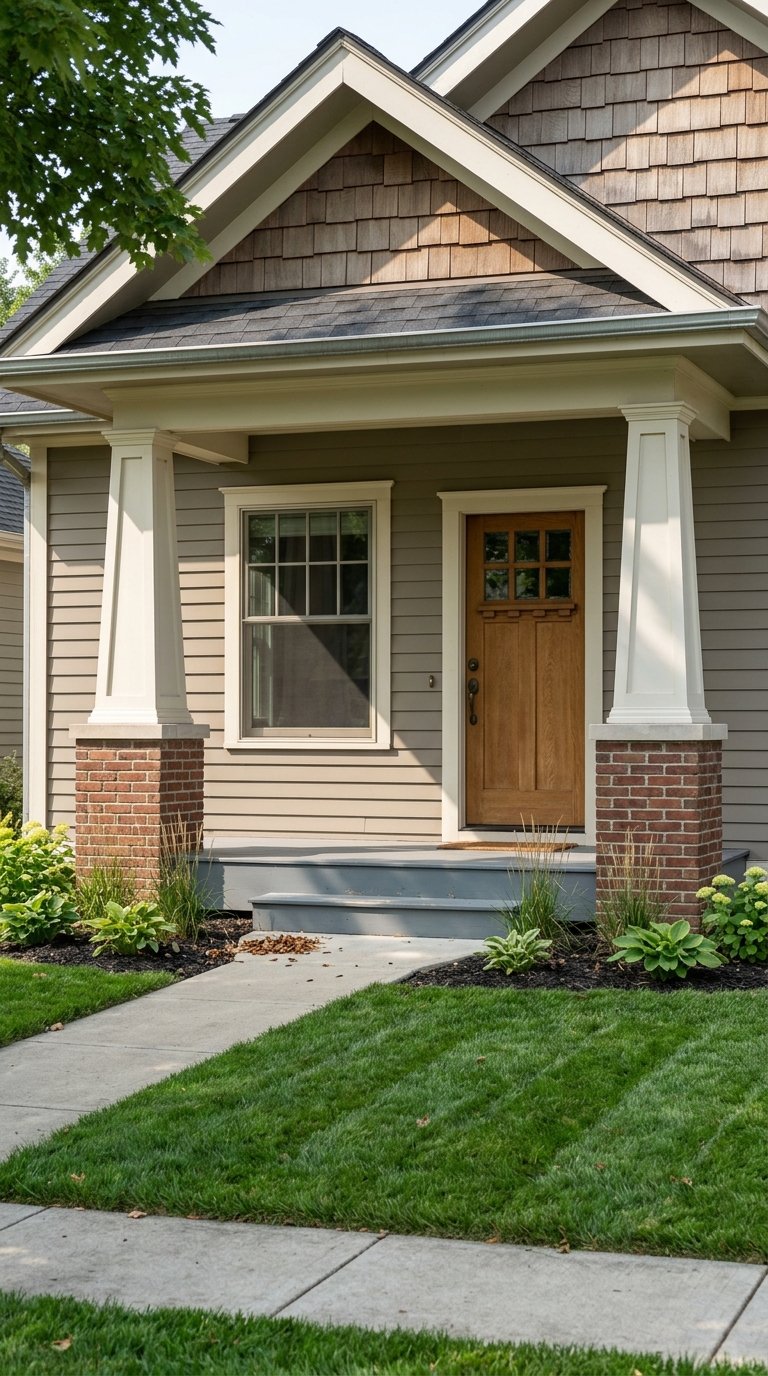
Craftsman homes became popular in the early 20th century as a response to the heavier ornament of the Victorian era. In St. Paul, neighborhood studies show many examples from the 1910s and 1920s, especially in one- and one-half-story forms.
Craftsman exterior features
Common signs include:
- Low-pitched gabled roofs
- Wide eaves
- Exposed rafter tails or knee braces
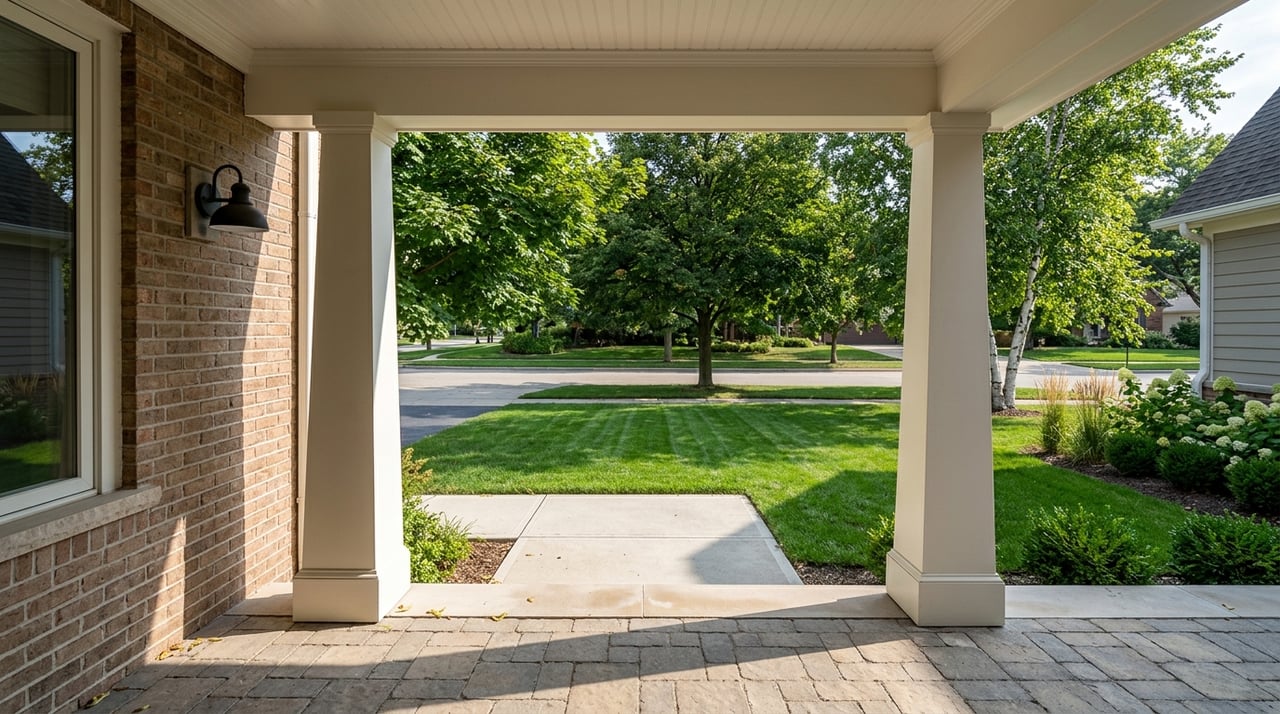
- Open porches with square posts
- Wood clapboard siding
Bungalows are usually one to one-and-a-half stories with a simple rectangular footprint. The main roof often extends over the front porch, which gives the house a grounded, sheltering look from the street.
Craftsman interior feel
Craftsman interiors tend to feel practical, warm, and connected to daily living. You may see built-ins, natural wood trim, hardwood floors, and efficient use of space. The relationship between the porch, living room, and main floor is often a defining part of the layout.
How To Spot Colonial Revival Homes
Colonial Revival was one of America’s most durable house styles from about 1880 to 1940. In St. Paul, it appears as part of the broader period-revival wave that shaped many early-20th-century neighborhoods.
Colonial Revival exterior features
This style usually leans more formal and balanced than Victorian or Craftsman homes. Typical features include:
- Symmetrical facades
- Centered front entrances
- Columns or pilasters
- Fanlights or sidelights
- Palladian windows
- Simple classical detailing
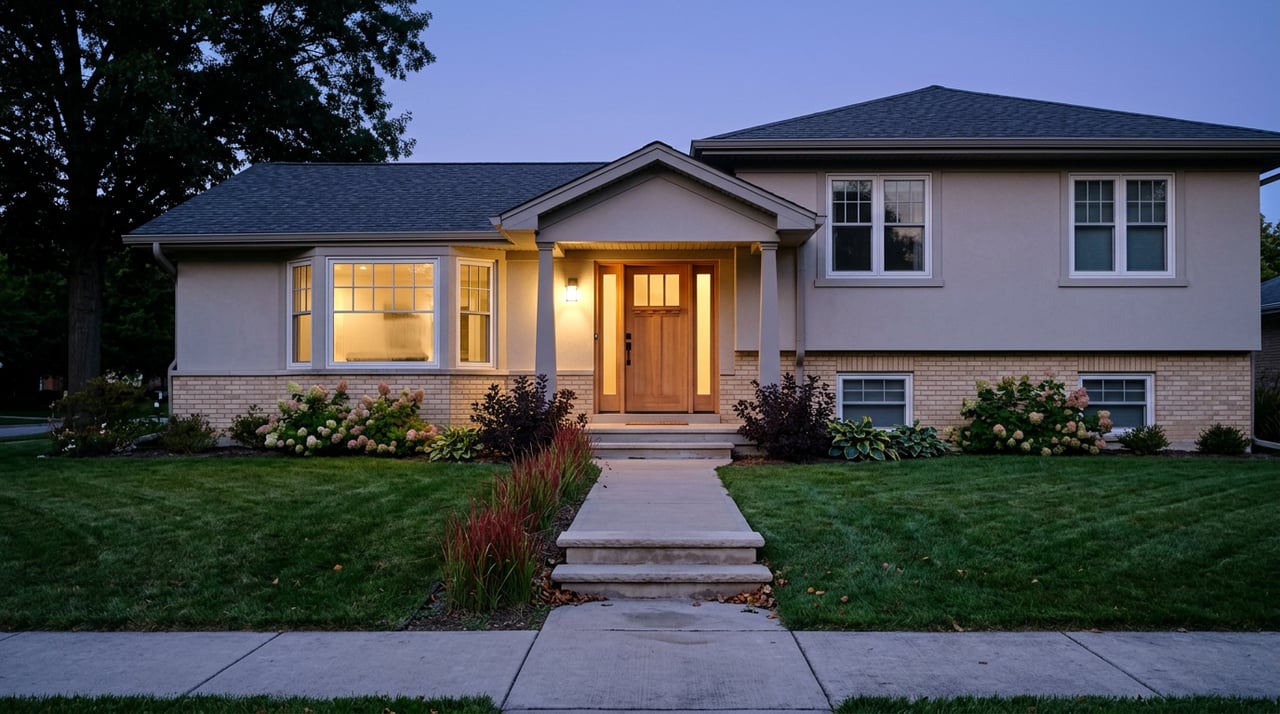
In St. Paul, some homes show these traits in a simplified way. That means a smaller two-story house can still read as Colonial Revival even if it does not match a textbook example.
Colonial Revival interior feel
Inside, Colonial Revival homes often feel orderly and balanced. National Park Service examples describe symmetrical facades paired with central-hall plans, where front rooms are arranged around a centered core. If you like a more traditional sense of layout and proportion, this style may stand out to you.
The Foursquare Factor In St. Paul
A lot of St. Paul homes make more sense when you think of them as hybrids, and the American Foursquare is a great example. This house type is generally two to two-and-a-half stories tall with a square-ish plan, low-hipped roof, wide eaves, large windows, and a one-story porch supported by square columns.
What makes the Foursquare especially useful in St. Paul is that it often borrows details from other styles. A home may have the broad shape of a Foursquare but show Colonial Revival symmetry or Craftsman trim. When a house seems familiar but hard to label, this is often why.
West Summit Avenue As A Style Guide
If you want a strong local reference point, West Summit Avenue is one of the best. Its National Register nomination describes the district as one of the metro area’s longest and most impressive collections of period-revival styles, especially Classical, Spanish Colonial, Colonial, and Tudor Revival homes built from about 1905 to 1935.
You do not need to shop only on Summit to benefit from that context. It helps train your eye for the broader period-revival language found throughout St. Paul, especially in neighborhoods with early-20th-century housing stock.
What To Notice On A Showing
If you are trying to identify a home’s style during a showing, focus first on the features that are easiest to read from the street and entry sequence.
Start with these visual clues
Pay close attention to:
- Roof shape
- Facade symmetry
- Porch type
- Window pattern
- Exterior materials and trim
After that, look inside for original woodwork, built-ins, stained glass, plaster, and millwork. Those details often reveal how much of the home still reflects its original era, even when kitchens, baths, or exterior materials have been updated over time.
What Buyers Should Expect In Older Homes
Because St. Paul’s housing stock is older, character homes often come with layers of maintenance and modernization. That does not make them a bad fit. It simply means you should expect a mix of preserved features and later updates.
City research notes that postwar changes often included replacement or covering of original wood siding, window replacement, porch enclosure or removal, and rear or second-story additions. So if a home feels partly historic and partly altered, that is often consistent with how older St. Paul properties evolved over time.
Systems matter too
Older mechanical systems are also part of the conversation. Minnesota Historical Society guidance notes that heating, wiring, and plumbing are key systems to watch in historic buildings, while preservation guidance also points out that visible elements like radiators, vents, grilles, light fixtures, and original piping or ductwork may still contribute to the home’s historic character.
This is where a technically informed approach can help. When you understand both style and building systems, it becomes easier to separate cosmetic charm from meaningful condition questions.
Research Tools For Your House Hunt
If you want to learn more about a specific St. Paul property, there are useful public resources available.
Start with permit history
The Minnesota Historical Society recommends beginning with original St. Paul building permits, which may list the architect or contractor, first owner, original cost, and construction materials. Permit index cards can also reveal later work such as additions, roofing, and electrical changes.
Check city property information
Saint Paul also offers property information and reports, including property search tools and Truth-in-Sale-of-Housing reports. These can give you a clearer picture of a home’s age, history, and general condition context before you move deeper into the buying process.
Why Style Knowledge Matters When You Buy
Understanding historic home styles is not just about having the right label. It helps you ask better questions, compare homes more clearly, and recognize where charm, layout, and maintenance needs may differ from one property to the next.
In a city like St. Paul, where older housing is a defining feature of the market, that knowledge can make your search feel much more manageable. And when you are looking at homes with decades of updates behind them, having guidance from someone who understands architecture, construction, and real-world property condition can help you move forward with more confidence.
If you are exploring historic homes in St. Paul and want practical guidance on style, condition, and value, connect with Curt Adams LLC. You can get clear, technically informed advice that helps you evaluate character homes with fewer surprises.
FAQs
What historic home styles are most common in St. Paul?
- In St. Paul, buyers often encounter Victorian or Queen Anne homes, Craftsman bungalows, Colonial Revival houses, and hybrid forms such as the American Foursquare.
How can you identify a Victorian home in St. Paul?
- A Victorian home in St. Paul often shows irregular shapes, steep gables, decorative trim, wraparound porches, patterned shingles, and sometimes stained-glass windows.
What makes a Craftsman bungalow different from a Victorian house?
- A Craftsman bungalow usually has a lower-pitched roof, wider eaves, simpler detailing, and a more practical layout, while Victorian homes tend to be more ornate and asymmetrical.
Are St. Paul historic homes usually one pure architectural style?
- No. Many St. Paul homes blend features from multiple styles because stock plans, pattern books, and later updates often created mixed architectural cues.
What should buyers watch for in older St. Paul houses?
- Buyers should expect a mix of original character and later updates, including possible changes to siding, windows, porches, additions, and older heating, wiring, or plumbing systems.
Where can you research the history of a St. Paul home?
- You can start with original St. Paul building permits through the Minnesota Historical Society and review city property search tools and Truth-in-Sale-of-Housing reports for more background.