Thinking about buying a Minneapolis duplex or triplex so your tenants help cover the mortgage? That idea can work, but in Minneapolis, the details matter more than the buzzword. If you want to house hack successfully, you need to understand zoning, financing, property condition, and rental compliance before you make an offer. Let’s dive in.
What House Hacking Means
House hacking usually means you buy a two- to four-unit property, live in one unit as your primary residence, and rent out the others. That setup can lower your out-of-pocket housing cost while giving you hands-on experience as an owner-occupant landlord.
For financing, this structure can be helpful. Fannie Mae allows rental income from the non-owner-occupied units in a two- to four-unit principal residence to be used for qualifying, but your full mortgage payment still counts in your debt picture. The Consumer Financial Protection Bureau explains debt-to-income ratio as your monthly debt payments divided by gross monthly income, which is why rental income helps without making the payment disappear.
Why Minneapolis Is Different
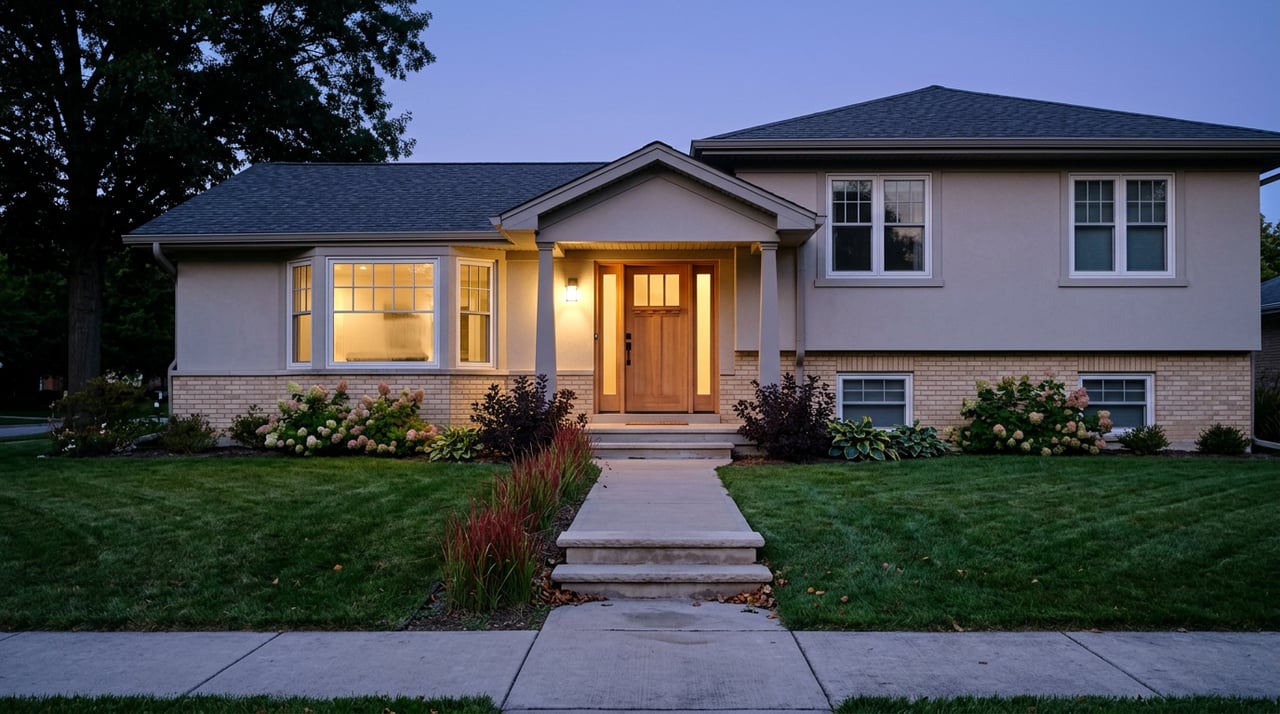
Minneapolis has a strong supply of older, house-form small multifamily properties. In practice, that means many duplexes and triplexes look more like traditional houses than small apartment buildings.
That can be a real advantage if you want a property that feels residential while still producing income. But it also means many opportunities come with older-building issues, conversion questions, and code review that you need to take seriously.
Zoning Comes First
One of the biggest mistakes buyers make is assuming a duplex or triplex is allowed just because they have heard broad stories about missing-middle housing. In Minneapolis, every property sits within a primary zoning district and a built-form overlay district, and some sites also have additional overlay rules. The city’s zoning maps and district guidance are the starting point for checking what may be possible on a specific parcel.
If you are considering converting a property, verify the lot before you rely on a future plan. The city still has a formal triplex conversion process, but current feasibility depends on the property’s present zoning status and review path. That is especially important because a 2023 Hennepin County District Court order blocked parts of the 2040 Plan implementation related to where housing with three or more units could be allowed.
What Duplexes and Triplexes Look Like
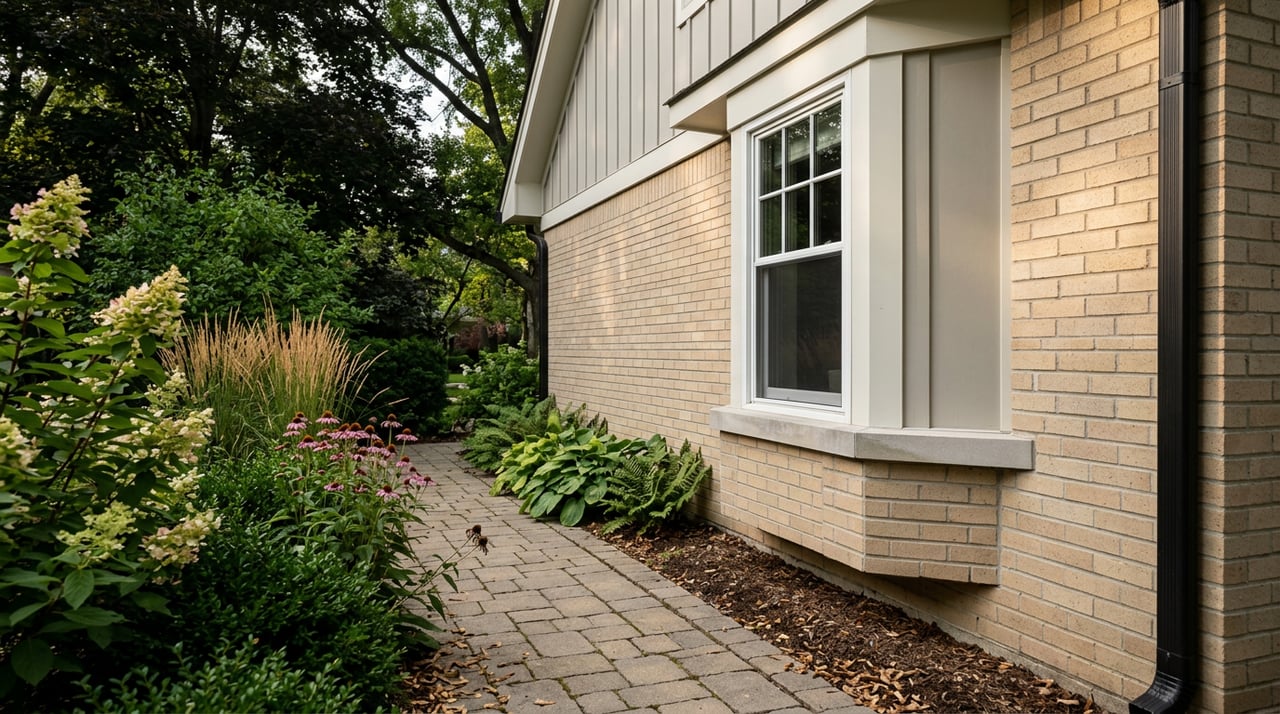
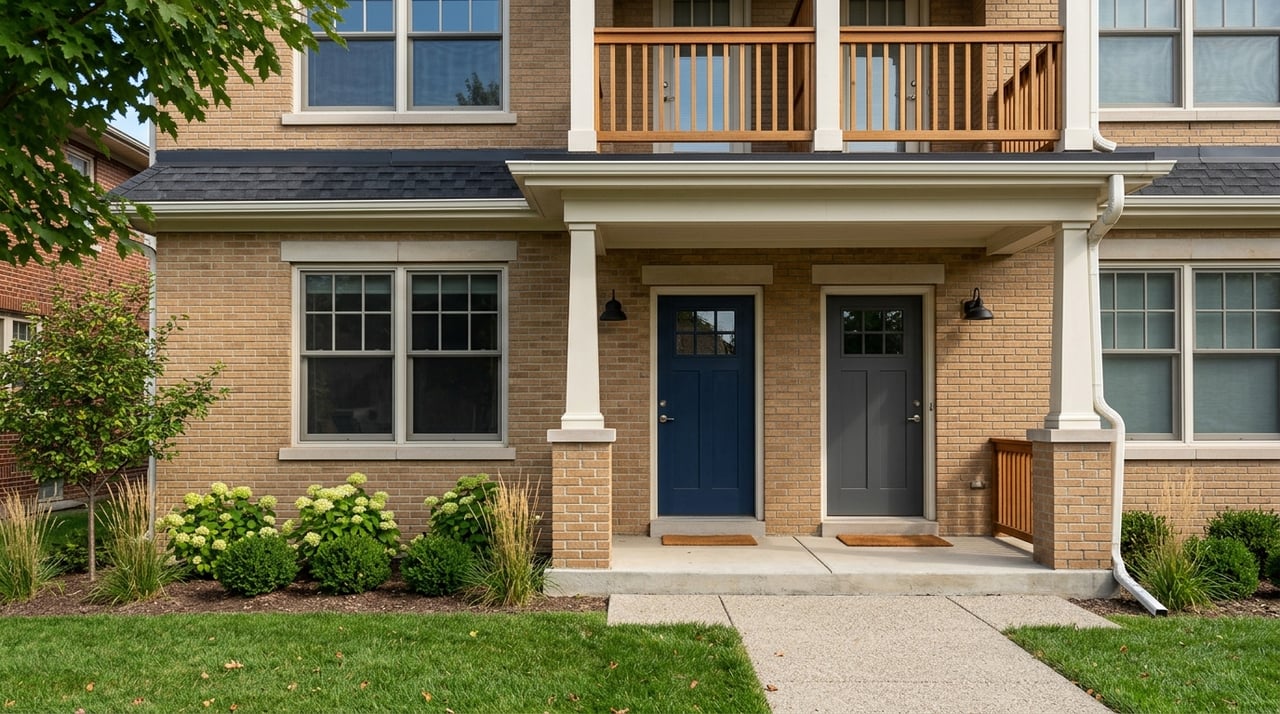
In Minneapolis, many duplexes and triplexes are best understood as house-form properties. The city’s conversion guidance notes that a three-unit dwelling may be created from either an existing single-family home or an existing duplex, which means the shell often looks residential even when the use is multifamily.
That distinction matters when you tour properties. You may be looking at a building that appears simple from the street, but inside, the layout, egress, fire separation, and utility arrangement may be much more complex than a standard single-family home.
Why Older Buildings Need More Scrutiny
Most Minneapolis house-hack opportunities are not turnkey in the technical sense. Older duplexes and triplexes often come with condition issues that affect safety, habitability, and your future repair budget.
The city’s rental property checklist highlights common trouble spots such as:
- Egress windows
- Stairs and handrails
- Smoke and carbon monoxide alarms
- Electrical safety concerns
- Plumbing leaks
- Water heater issues
- Heating performance problems
- Illegal basement or attic bedrooms
Those are not minor details. They can affect whether a space can be legally rented, how much work is needed before move-in, and how often the property may be inspected under the city’s rental-license tier system.
Lead Paint and Property Records Matter
Lead-based paint is another major due-diligence issue in older Minneapolis housing. The city states that lead-based paint is primarily found in homes and apartments built before 1978, and many small multifamily properties fall into that age range.
Before you commit, it helps to review as much public information as possible. Minneapolis says its property information search can show lead paint status, inspection history, licenses, sales history, and energy-use information. That kind of record review can help you separate a manageable project from a property with expensive hidden issues.
Converting to Three Units Is a Major Project
If your strategy involves buying a single-family home or duplex and converting it into a triplex, plan for a formal process. Minneapolis treats that kind of project as a major one under the Minnesota Building Code.
According to the city’s conversion guidance, the work generally requires:
- A Minnesota-licensed architect
- A building permit
- Zoning and plan review approval
- A certificate-of-occupancy inspection before final use
The city also notes that review is routed through a development coordinator rather than handled casually at the counter. Site issues like parking and egress may also become part of the approval path.
Rental Licensing Is Not Optional
Once you move from buyer to owner-landlord, compliance becomes part of the job. Minneapolis requires a rental license for every rental property.
After closing, a new owner must apply within 60 days. Annual renewals are due each March 1. The city also lists a $450 change-of-ownership inspection fee and a $1,000 conversion inspection fee when a dwelling is converted to rental use or has gone 12 months without a license.
The rental-license system is also tiered by property condition:
- Tier 1: 8-year inspection cycle
- Tier 2: 5-year inspection cycle
- Tier 3: 1-year inspection cycle
For a house hacker, this is a useful reminder that a cheaper building can become more expensive if deferred maintenance pushes it into a higher-issue category.
Lease and Disclosure Rules You Should Know
Managing a duplex or triplex is not just about collecting rent. Minneapolis now requires renter-rights disclosures before lease signing and within 90 days after move-in.
Owners must provide items such as the landlord or manager’s name and physical address, the rental-license tier and related housing-cost violations, open violations, and garbage, recycling, and organics information. In other words, your rental side needs organized documentation from day one.
At the state level, Minnesota’s landlord-tenant guidance says a lease can be written or oral, but a lease for a year or more must be in writing. In practice, written leases are the safer choice for a small multifamily house hack because they create a clear record of terms and expectations.
A Simple Minneapolis House-Hack Checklist
Before you buy, focus on the basics in this order:
- Confirm zoning and use. Check whether the current or planned unit count is allowed for that specific property.
- Review the building honestly. Look closely at code-sensitive items, deferred maintenance, and layout problems.
- Understand financing. Rental income may help you qualify, but your mortgage still affects debt-to-income.
- Verify public records. Review licensing, inspection history, lead status, and other city data.
- Budget for compliance. Include licensing fees, inspections, repairs, and reserves.
- Plan operations early. Use written leases and prepare the required disclosure paperwork.
How House Hacking Can Scale
A duplex or triplex can be a smart first step into small multifamily ownership. It lets you learn operations up close while potentially reducing your personal housing cost.
It can also support a longer-term investment strategy. Fannie Mae notes that a two- to four-unit property counts as one financed property, which matters if you hope to buy more later. Even so, scaling works best when your first purchase leaves room for vacancies, repairs, and future lender reserve requirements.
Why Technical Guidance Matters
In Minneapolis, the best duplex or triplex deals are not always the ones with the lowest list price. Often, the real opportunity comes from understanding which building issues are manageable, which conversion ideas are realistic, and which properties carry avoidable risk.
That is where technical real estate guidance can make a real difference. If you want help evaluating a Minneapolis duplex or triplex for house hacking, Curt Adams LLC can help you assess zoning questions, building condition, renovation implications, and the practical side of buying with a long-term plan in mind.
FAQs
What does house hacking with a Minneapolis duplex mean?
- It usually means buying a two- to four-unit property, living in one unit as your primary residence, and renting the other unit or units.
Can Minneapolis rental income help you qualify for a duplex or triplex loan?
- Yes. Fannie Mae says rental income from the non-owner-occupied units in a two- to four-unit principal residence can be used in qualifying, but the mortgage still counts in your debt-to-income calculation.
Can you convert a Minneapolis house into a triplex?
- Sometimes, but you need to verify the specific property’s zoning and review requirements. Minneapolis treats conversion to three units as a major project that generally requires plan review, permits, and a certificate-of-occupancy inspection.
What should you inspect in an older Minneapolis duplex or triplex?
- Pay close attention to egress, stairs and handrails, alarms, electrical and plumbing issues, heating performance, water heaters, and whether any basement or attic bedrooms are legal.
Do Minneapolis duplexes and triplexes need rental licenses?
- Yes. Minneapolis requires a rental license for every rental property, and new owners must apply within 60 days of closing.
Are written leases important for a Minneapolis house hack?
- Yes. Minnesota allows some oral leases, but written leases are the safer choice because they clearly document terms and help support consistent property management.