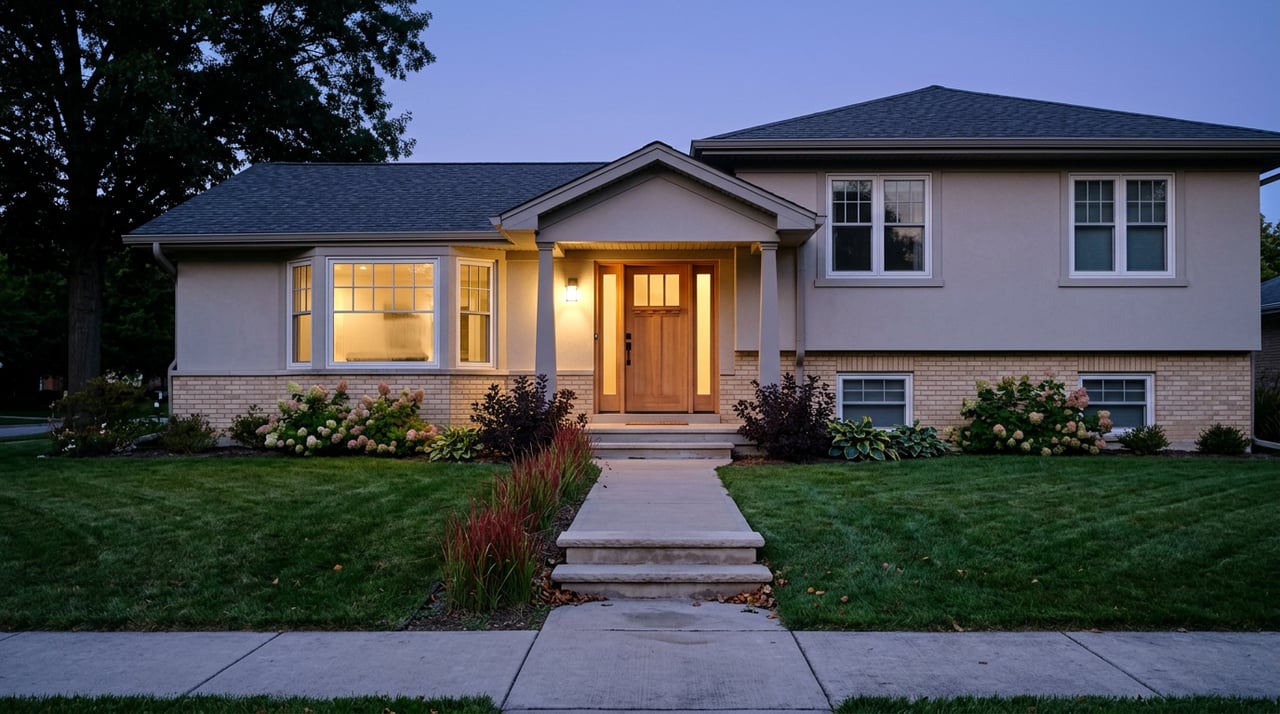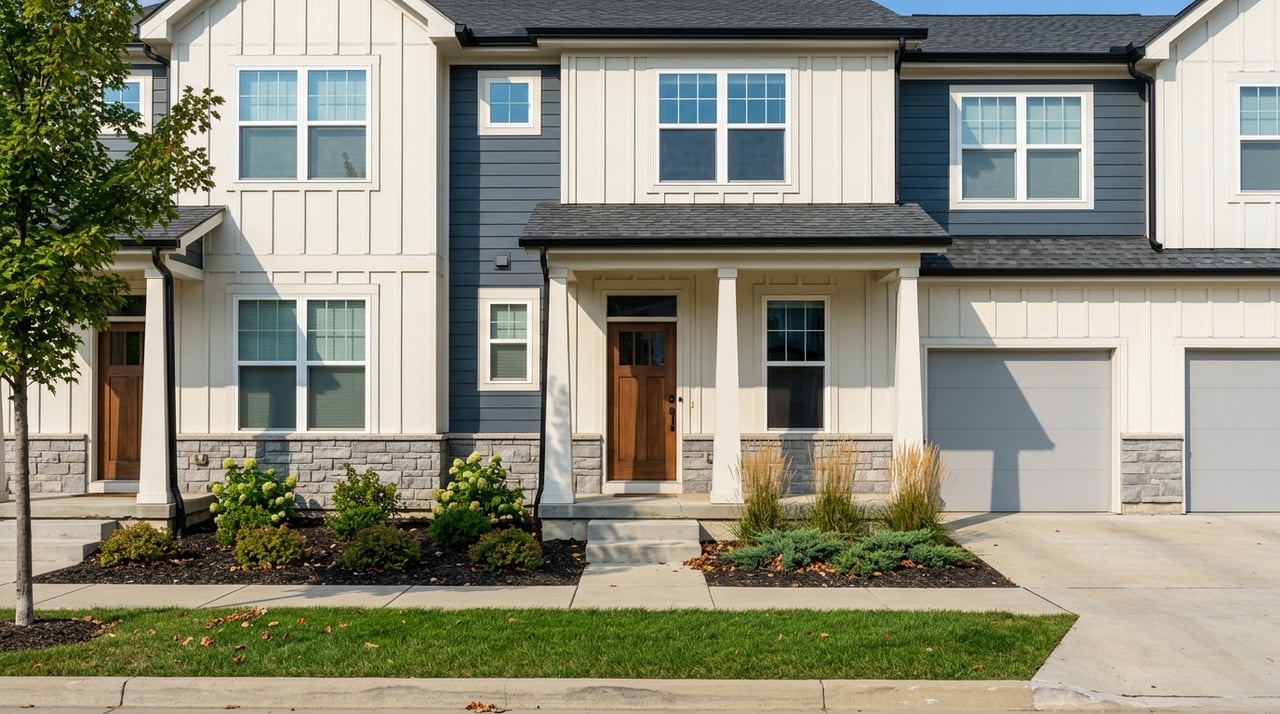
Trying to decide between a condo or a townhome in Ramsey County? You are not alone. First-time buyers and downsizers across St. Paul, Roseville, and Maplewood ask this every week because the options and rules can look similar on the surface but work very differently once you read the fine print. In this guide, you will learn the true legal and practical differences, how HOA fees and reserves work, how lenders view each option, and a simple checklist to protect your budget. Let’s dive in.
Condo vs. townhome basics in Minnesota
A condominium is a legal form of ownership. You own your individual unit as described in the declaration and share ownership of the common elements with other owners. The association manages those shared pieces under Minnesota’s Common Interest Ownership Act. You can read the statute overview in the Minnesota Common Interest Ownership Act.
“Townhome” is a building style, not a legal form. A townhome can be part of a condominium, or it can be fee simple where you own the land and some or all of the exterior. Your responsibilities depend on the recorded declaration and governing documents. The Minnesota Attorney General’s guidance on condos, townhomes, and associations explains this clearly.
Key takeaway: do not assume maintenance or insurance rules based on how the building looks. Always verify the ownership type and what the governing documents say before you write an offer.
Where each option lives in Ramsey County
Urban St. Paul condos
You will find many condos in downtown and nearby neighborhoods like Lowertown, Rice Park, and Cathedral Hill. These include historic conversions and mid-rise buildings. As one example, River Park Lofts in Lowertown shows the downtown loft style, walkable location, and building-amenity patterns you often see in St. Paul’s core.
Monthly dues vary across buildings depending on age, amenities, and shared systems. A 2024 comparison of local condo dues highlights wide per-square-foot differences across downtown and suburban projects, which is why two similar-sized units can carry very different monthly costs. Review the data in the 2024 Condo Dues Comparison.
Price context: across the Twin Cities, attached homes often present entry-level options for urban buyers. The 2024 Annual Housing Report from Minneapolis Area Realtors provides regional medians and trendlines you can use to frame current affordability when you shop.
Suburban townhomes in Roseville and Maplewood
In the suburbs, you will see more side-by-side and clustered townhome communities. Roseville and Maplewood offer a range of older complexes near shopping and newer boutique clusters with attached garages and small outdoor spaces. HOA dues in these areas often cover lawn care, snow removal, and trash. Some communities also handle exterior maintenance, but do not assume. The declaration controls who fixes roofs, siding, and decks.
From a price and space perspective, many suburban townhomes deliver more square footage and a garage at a monthly cost that competes with urban condos. Use the 2024 Annual Housing Report as a backdrop for current pricing patterns, then confirm live pricing with your agent when you tour.
What HOA fees usually cover
Condo associations typically maintain the building shell and shared systems. That can include the roof, exterior walls, lobbies, corridors, elevators, boilers, and common garages. You maintain the interior of your unit. Townhome responsibilities vary. Some townhome associations maintain exteriors and grounds. Others push more exterior responsibility to the owner. The AG’s condo and townhome guidance and your specific declaration will spell out the split.
Why dues vary: downtown buildings with elevators, heated parking, and extensive common systems often carry higher dues per square foot than small suburban communities. Review building-level fee patterns in the 2024 Condo Dues Comparison to understand what drives the differences.
Reserves, assessments, and your budget
Minnesota law requires associations to budget for replacement reserves and gives boards the authority to levy monthly and special assessments. Unpaid assessments can become liens on units. The association’s reserve strategy, recent special assessments, and capital plan are major drivers of your true monthly cost. Study them closely in the resale documents required by state law. See the MCIOA statute for details on reserves and association powers.
Financing differences that matter
Condos and project approval
Lenders review condominium projects to confirm they meet Fannie Mae and Freddie Mac standards. If a project is “non-warrantable,” your loan options narrow and down payment requirements can rise. Ask your lender to run a project eligibility review early using Fannie Mae’s Condo Project Manager. Townhomes that are fee simple typically follow standard single-family underwriting, which is often simpler.
FHA and VA
If you plan to use FHA or VA financing, the condo project needs approval or a single-unit approval. These approvals expire and require recertification. Confirm status before you write an offer. Here is a plain-language overview of FHA-approved condos and how approvals work.
Insurance: what you must carry
Condo owners usually purchase an HO-6 policy that covers “walls-in” structure, personal property, liability, and loss of use. The association’s master policy covers common elements and the building shell based on the declaration and policy terms. Townhome owners may need a policy closer to a traditional homeowners policy if they own the exterior and roof. Always verify what the master policy covers, including deductibles and any fidelity bond. For a quick primer, review this guide to HO-6 condo insurance.
Your Minnesota disclosure protections
Minnesota requires the seller to provide a resale disclosure certificate and governing documents before closing. After you receive the package, you generally have a 10-day right to cancel the purchase. The required contents are described in MCIOA Section 515B.4-107. The AG’s consumer guide also explains owner rights to association records and steps to take if issues arise.
Buyer due diligence checklist
Use this list when you write your offer or during your contingency period. Ask for these items and read them with your agent and lender.
- Resale disclosure certificate, declaration, bylaws, rules, and amendments. Why it matters: defines what you own, association powers, restrictions, and your 10-day cancellation right. See Section 515B.4-107.
- Most recent financial statements, current budget, and reserve study or reserve statement. Why it matters: reveals reserve strength and whether fees align with capital needs. See MCIOA overview.
- Board meeting minutes from the last 12–24 months, plus notices of special assessments or capital projects. Why it matters: surfaces roof, siding, parking, or mechanical projects and how they are funded. See the AG consumer guide.
- Insurance declarations and master policy summary. Why it matters: clarifies master coverage, deductibles, and whether you need loss assessment coverage. See the AG consumer guide.
- Litigation disclosures and any judgments against the association. Why it matters: active litigation can block conventional financing and add risk. See Section 515B.4-107.
- Owner-occupancy and assessment delinquency rates. Why it matters: lenders check these for project eligibility and risk. Have your lender verify eligibility with Condo Project Manager if you plan to use a conventional loan.
Red flags that raise risk
- Low or no reserves paired with upcoming roof, siding, or mechanical projects. That can mean large special assessments. See the MCIOA overview.
- High assessment delinquencies or pending association litigation. Financing can be tougher, and resale may slow. See Section 515B.4-107.
- Master policy with very high deductibles. Owners may face large loss-assessment exposure after a claim. See the AG consumer guide.
- Non-warrantable project status or missing FHA/VA approval if you need those loans. This can limit options. Confirm early with Condo Project Manager and the FHA/VA resources your lender provides.
Decision guide: which fits you
- Choose a condo if you value walkability in downtown St. Paul or Cathedral Hill, prefer a smaller interior footprint, and want building amenities like fitness rooms or community spaces. Expect higher dues in amenity-rich or elevator buildings. Review a building like River Park Lofts to see the lifestyle trade-offs.
- Choose a townhome if you want more living area, a private entrance, and often a garage in Roseville or Maplewood. Many HOAs handle lawn and snow, though exterior responsibilities differ by community. Verify the declaration so you know who replaces roofs and siding.
- Not sure which direction to go. Start with how you want to live and park, your tolerance for maintenance, and your monthly budget including HOA dues and insurance. Then have your agent and lender confirm ownership form, project eligibility, and true monthly costs for each address.
If you want a clear, construction-aware view of each property’s building systems, HOA health, and total cost of ownership, let’s talk. With architecture and construction experience behind every analysis, you will get practical guidance on the documents, the structure, and your financing path so you can buy with confidence. Reach out to Curt Adams LLC to map your next steps.
FAQs
What is the legal difference between a condo and a townhome in Minnesota?
- A condo is an ownership form governed by MCIOA where you own a unit plus shared common elements, while a townhome is a building style that can be condo or fee simple, so your duties depend on the declaration. See the MCIOA overview and the AG guide.
How do HOA fees differ between downtown St. Paul condos and suburban townhomes?
- Downtown condo buildings with elevators and extensive shared systems often carry higher dues per square foot than smaller suburban townhome communities, as shown in the 2024 Condo Dues Comparison.
Can I use FHA or VA financing for a Ramsey County condo?
- Yes, if the condo project is approved or qualifies for a single-unit approval; approvals expire and need recertification, so confirm status early. See this overview of FHA-approved condos.
What insurance policy do I need for a condo vs. a townhome?
- Condos usually need an HO-6 policy for walls-in coverage, while townhomes may require a standard homeowners policy if you own the exterior; verify the master policy and deductibles. Learn more about HO-6 policies.
What documents should I review before buying into an HOA in Minnesota?
- Ask for the resale disclosure certificate, declaration, bylaws, rules, budget, reserves, minutes, insurance details, and any litigation disclosures. Your 10-day cancellation right is outlined in Section 515B.4-107.
Are townhomes easier to finance than condos?
- Often yes when the townhome is fee simple and under standard single-family guidelines. Condos require project approval and can be non-warrantable. Have your lender check eligibility through Condo Project Manager early.