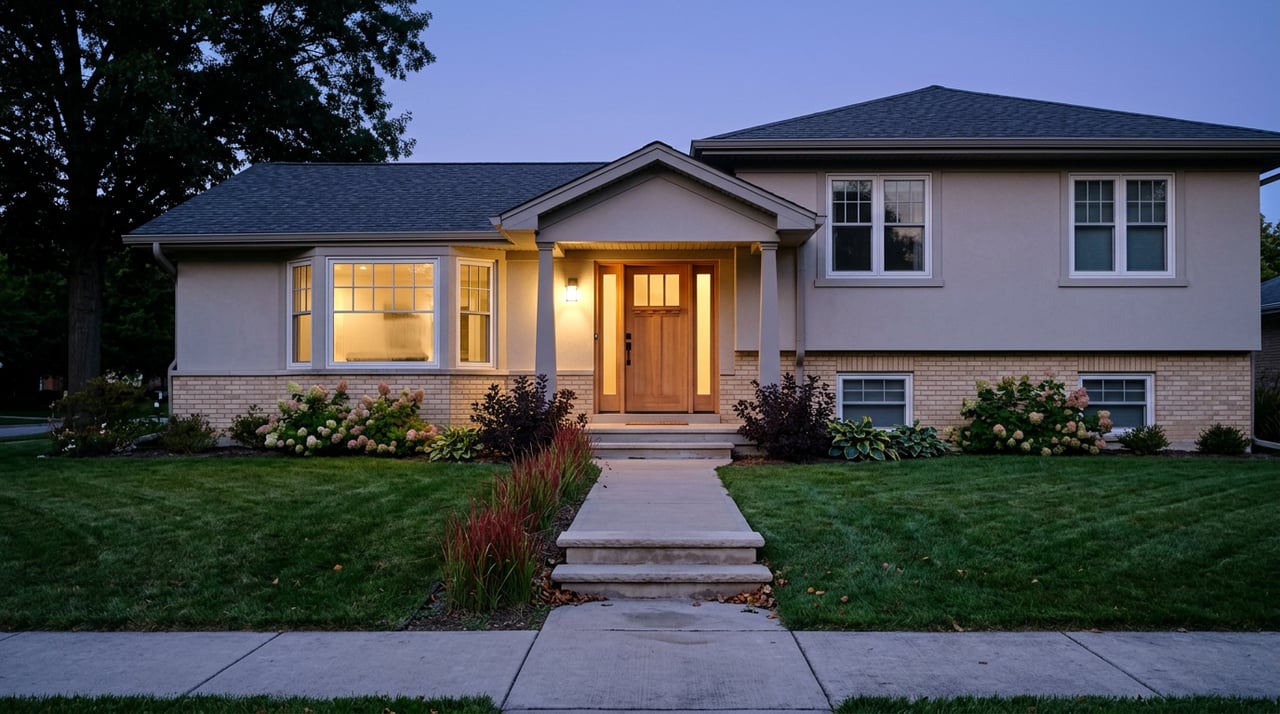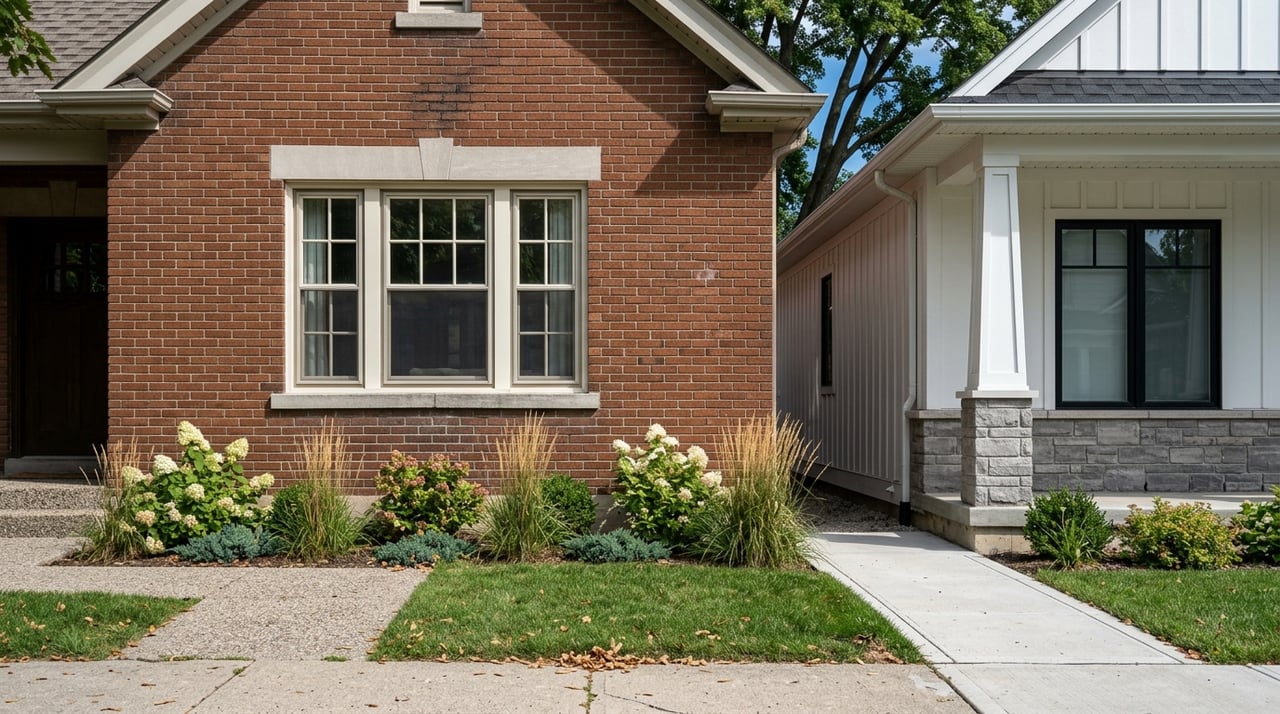
Wondering whether an older home or a new build makes more sense in Ramsey County? You are not alone. In this market, the choice is rarely just about style or age. It is usually about condition, comfort, future costs, and how much work you want to take on after closing. This guide will help you compare both options with Ramsey County’s housing mix in mind, so you can make a more confident decision. Let’s dive in.
Ramsey County Has More Older Homes
If you are shopping in Ramsey County, you will see quickly that older homes are the norm, not the exception. County data shows 232,409 housing units total, with 25.5% built in 1939 or earlier and 55.2% built before 1970.
That pattern matters because truly new construction is a smaller slice of the market. Only 10.8% of the county’s housing stock was built in 2000 or later. In practical terms, many buyers are comparing an older home that has been updated over time against a much smaller pool of newer options.
Saint Paul leans even older. A 2023 city analysis says 53% of Saint Paul’s housing stock is more than 50 years old, and the city has multiple designated historic districts and sites.
Older Homes: What You Gain
Older homes often appeal to buyers who want an established property with improvements already completed over the years. In Ramsey County, that can mean you find a home where the character is older, but major systems may have been modernized.
The key point is simple: age alone does not tell you enough. A well-maintained older home with updated roofing, windows, insulation, electrical, and plumbing can be a very different experience from an older home that still needs major work.
For many buyers, the real value question is whether the expensive updates are already done. That is often the most useful way to compare one older home to another.
Why inspections matter more than labels
Minnesota’s statewide building code has been in place since July 1, 1972. The Department of Labor and Industry says the code is meant to support safe buildings, energy efficiency, resiliency to weather extremes, and consistency in construction.
That means a home built before 1972 may have been built before many modern standards were in place. It does not mean the home is a bad choice. It does mean you should look closely at the condition and update history of major systems.
Curt Adams’ architecture and construction background can be especially helpful here. When you are evaluating an older home, a technical eye can help you focus on the issues that are most likely to affect comfort, maintenance, and long-term value.
Lead-related questions to ask
If you are considering an older home, lead due diligence should be part of your review. Minnesota health officials say about 75% of homes built before 1978 contain some lead-based paint.
They also note that homes built before 1986 may have lead parts in plumbing, and homes built before 1940 may have lead service lines. If renovation or repair work will disturb lead paint in a pre-1978 home, that work must be handled by lead-safe certified contractors.
This does not mean you should avoid older homes. It means you should ask direct questions, review available records, and budget carefully if work is needed.
Saint Paul rules can affect your plans
If you are buying in Saint Paul, local rules may shape your decision. The city’s Truth-in-Sale of Housing program applies to single-family homes, duplexes, condominiums, and townhomes before they are marketed.
The TISH report is a disclosure report and is valid for one year. The city also says buyers should still hire their own independent home inspector.
If a property is in one of Saint Paul’s designated historic districts or sites, check preservation rules before planning exterior changes or additions. Those designations are an active part of the local housing landscape, especially in areas such as Summit Avenue, Dayton’s Bluff, Historic Hill, Irvine Park, Lowertown, and West Summit Avenue.
New Builds: What You Gain
New builds appeal to buyers who want a more predictable, move-in-ready experience. In many cases, the biggest advantage is not just that the home is newer. It is that modern code and energy standards are built into the home from the start.
Minnesota’s 2020 Residential Energy Code sets energy-conserving standards for residential construction, alteration, renovation, and repair. The state says the broader building code system supports safety, accessibility, energy efficiency, resiliency, and reduced disaster loss.
For buyers, that can translate into more consistent comfort and fewer immediate upgrade projects. Still, not every new home performs at the same level, so it is smart to ask for specific documentation.
Energy performance can be a real difference
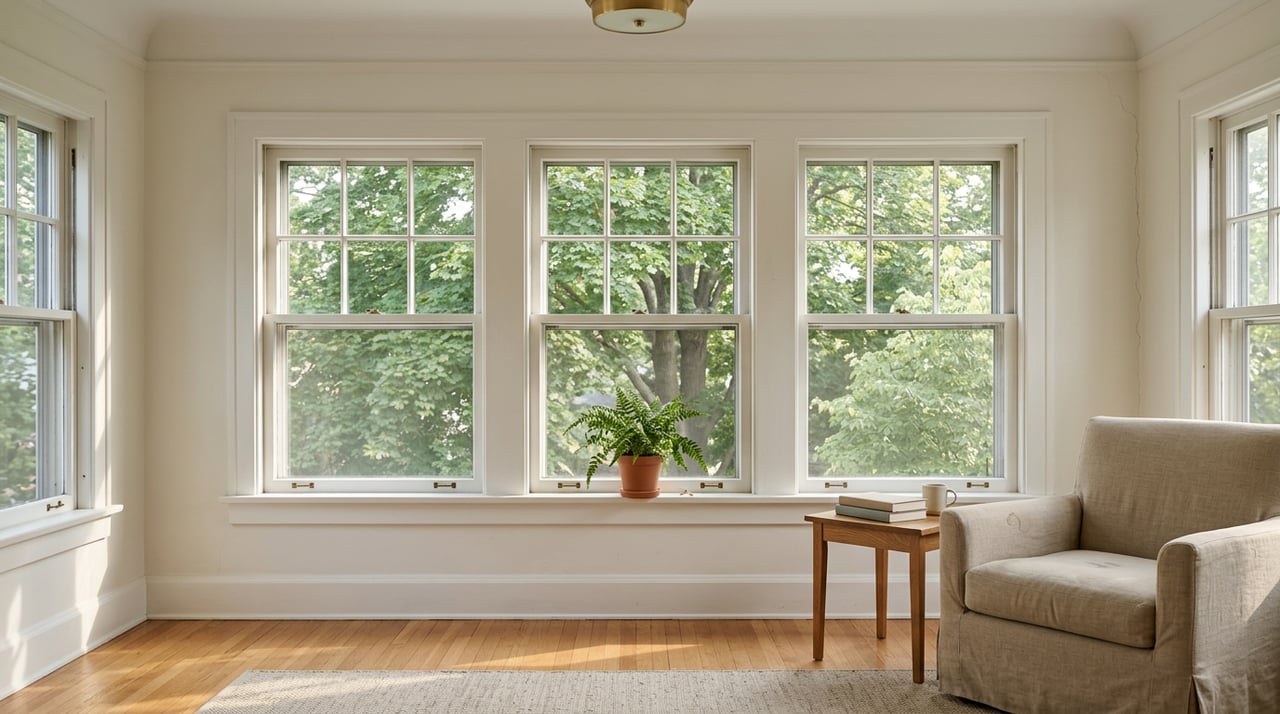
One of the biggest practical differences between older homes and new builds is energy performance. Window quality is a major example.
The U.S. Department of Energy says windows account for 25% to 30% of residential heating and cooling energy use. In colder climates, buyers should look for low U-factor, gas-filled, low-e windows.
In an older home, window upgrades may be part of your future improvement plan. In a new build, that performance can be designed in from day one.
Ask whether the home meets a higher standard
A new construction date does not automatically mean top-tier efficiency. The strongest energy advantage comes when a home is built to a higher-efficiency standard.
According to DOE information on ENERGY STAR-certified homes, those homes are built to be 40% to 50% more energy efficient than typical new construction homes. They also tend to improve comfort and durability while reducing utility and maintenance costs.
If you are comparing new builds, ask whether the home has third-party efficiency documentation. That question can tell you more than the year it was built.
How To Compare Older Homes and New Builds
The best Ramsey County buyers usually move past the simple older-versus-new debate. Instead, they compare how each option fits their budget, timeline, and tolerance for projects.
If you enjoy the idea of improvements and can budget for them, an older home may offer a good fit. If you want a more predictable move-in experience, a newer home may feel more comfortable.
Here is a simple way to frame the trade-off:
| Option | What to focus on |
|---|---|
| Older home | Condition of roof, windows, insulation, electrical, plumbing, lead risk, and permit history |
| New build | Energy performance, window specs, insulation, HVAC quality, and third-party efficiency documentation |
| Saint Paul property | TISH requirements, independent inspection, and possible historic-district rules |
Best Questions To Ask Before You Buy
No matter which direction you lean, a few questions can help you compare properties more clearly.
Ask these when you tour homes or review disclosures:
- What year range was the home built in?
- Which major systems have already been replaced?
- Are permits and receipts available for recent renovations?
- Is the property in a Saint Paul TISH category?
- Is the property in a designated historic district or site?
- Are there lead-paint, plumbing, or service-line concerns?
- What insulation, window, HVAC, and air-sealing work is documented?
These questions matter because they affect your long-term costs, your comfort, and the amount of work you may take on after closing.
What This Means For Ramsey County Buyers
In Ramsey County, the right choice is usually less about age and more about how the home has been built, maintained, and improved. Since older homes make up most of the housing stock, you may have more choices in that category, but each one needs careful review.
New builds can offer stronger energy performance and a more predictable starting point, especially when they meet a higher efficiency standard. Older homes can still be an excellent fit when major updates have already been completed and the property has been well maintained.
This is where practical, technically informed guidance matters. When you understand systems, improvement history, and local rules, you can compare homes based on real risk and value instead of guesswork.
If you want help weighing an older home against a new build in Ramsey County, Curt Adams LLC can help you evaluate condition, updates, and long-term value with a clear, experienced perspective.
FAQs
What makes older homes common in Ramsey County?
- Ramsey County has an older housing stock, with 25.5% of homes built in 1939 or earlier, 55.2% built before 1970, and only 10.8% built in 2000 or later.
What should buyers check in an older Ramsey County home?
- Buyers should focus on whether the roof, windows, insulation, electrical, and plumbing have been updated, along with any lead-related concerns and permit history.
What should buyers know about lead in older Minnesota homes?
- Minnesota health officials say about 75% of homes built before 1978 contain some lead-based paint, and older homes may also have lead plumbing parts or lead service lines depending on the build year.
What should buyers know about Saint Paul TISH requirements?
- In Saint Paul, single-family homes, duplexes, condominiums, and townhomes must have a Truth-in-Sale of Housing evaluation before marketing, but buyers should still hire their own independent home inspector.
What is a key advantage of new builds in Ramsey County?
- New builds often offer more predictable comfort and energy performance because they are built under modern code and energy standards.
How can buyers compare new builds beyond the construction date?
- Buyers should ask for third-party efficiency documentation, since the energy advantage is strongest when a home is built to a higher-efficiency standard such as ENERGY STAR certification.
How do historic districts affect Saint Paul homebuyers?
- If a property is in a designated historic district or site, buyers should review preservation rules before planning exterior changes or additions.